What Is a Labubu? Viral Collectible Plush Explained
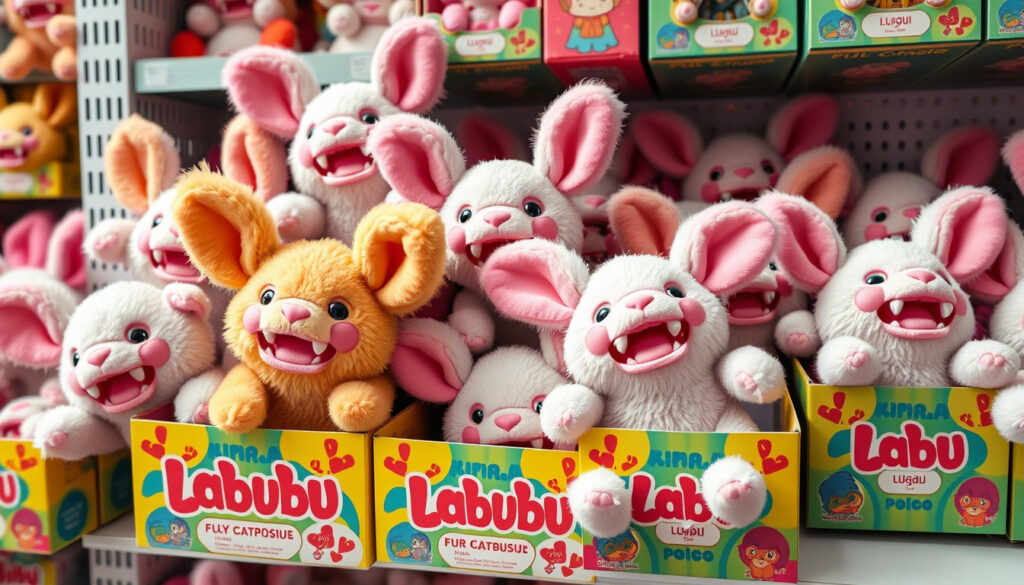
If you’ve spotted a tiny plush monster with pointy elf ears and sharp teeth dangling from someone’s bag, you’ve met a Labubu. These collectibles have sparked celebrity obsessions and a viral rumor that they’re secretly demonic.
Creator: Kasing Lung · Producer: Pop Mart · Inspiration: European fairy tales · Top Sale: $10,000 · Tribe: The Monsters
Quick snapshot
- Line of collectible plush toys created by Kasing Lung (Times of India)
- Elf-like creatures with kind hearts in original storybook series (Must Share News)
- Generated $400 million in revenue in 2025 (Times of India)
- Exact symbolic meaning beyond folklore inspiration
- Full scope of academic research on consumer behavior
- Details on How2Work production timeline before Pop Mart partnership
- Precise sales volume for specific variant rarities
- 2015: Kasing Lung creates storybook characters (Alibaba SmartBuy)
- 2019: Pop Mart partnership launches global expansion (Times of India)
- 2024: Celebrity posts spark international buying frenzy (Must Share News)
- Continued collaborations and limited editions driving collector demand
- Counterfeit markets expanding alongside legitimate sales
Key attributes and commercial details for Labubu collectors:
| Attribute | Details |
|---|---|
| Type | Plush collectible toy line |
| Designer | Kasing Lung (Hong Kong-born artist) |
| Manufacturer | Pop Mart (Beijing, China) |
| Launch Year | 2015 (storybook), 2019 (Pop Mart partnership) |
| Inspiration | European fairy tales, Nordic folklore |
| Viral Peak | 2024–2025 |
| Character Count | 8 unique characters plus 1 secret variant |
| Variants Released | More than 300 colours, shapes, and sizes |
What’s the big deal with Labubu?
Labubu are small plush toys with an unusual look—long pointed ears, expressive eyes, and a mouthful of sharp little teeth. They belong to a fictional universe called “The Monsters,” created by Hong Kong-born illustrator Kasing Lung in 2015. The characters started as illustrated storybook figures before Pop Mart, a Beijing-based collectible toy company, turned them into physical products in 2019.
What makes Labubu stand out from ordinary plush toys is their aesthetic. They look vaguely mischievous—some people find them adorable, others slightly unsettling—but that visual tension is partly why they’ve gone viral. Pop Mart packages them in “blind boxes,” where buyers don’t know which character variant they’ll get until they open the box. This scarcity mechanic, combined with distinctive design, has made Labubu one of Pop Mart’s signature products.
The blind box format transforms buying into a game. Collectors keep purchasing hoping for rare variants, creating secondary market prices that can run hundreds—or even thousands—of dollars above retail.
What are Labubu Dolls?
Labubu dolls are soft vinyl-and-plush hybrid figures, typically small enough to hang from a keychain or bag. Each stands a few inches tall, with oversized heads, elongated ears, and deliberately exaggerated facial features. They’re designed as collectibles rather than toys for young children, which explains their appeal to adult collectors and the fashion-conscious.
Labubu toy overview
The Monsters collection includes eight main characters, each with distinct personalities. Labubu herself is depicted as an elf-like, female creature who appears mischievous but has a kind heart. Pop Mart has released Labubu in more than 300 colours, shapes, and sizes since the partnership began. Large format sculptures measuring 70cm and 1m tall appeared in 2023–2024 for display collectors willing to pay premium prices.
The implication: Labubu occupy a unique niche between children’s collectible and fashion accessory, which explains why they’ve appeared on celebrity Instagram feeds and in high-end retail displays.
Is a Labubu a demon?
No. Despite viral social media posts claiming otherwise, Labubu has no connection to demonic imagery. A 2024 Instagram video falsely linked Labubu to Pazuzu, an ancient Mesopotamian deity depicted with wings, bulging eyes, and claws. Fact-checkers quickly debunked the comparison. Snopes, the fact-checking site, noted that the dolls “look nothing like Pazuzu.”
The confusion likely stems from Labubu’s sharp teeth and slightly feral expression—characteristics that read as mischievous in the original folklore-inspired context but can look menacing in isolation. Britannica notes that Pazuzu itself was traditionally considered a protective figure in Mesopotamian mythology, used in amulets to ward off evil. There is no credible evidence linking Labubu’s design to any demon, ancient or fictional.
Labubu or Pazuzu?
Pazuzu, from Mesopotamian mythology, is typically depicted with wings, a serpent-headed phallus, and talons. Labubu has none of these features. The elf-like appearance with pointy ears and fluffy texture comes from European fairy tale traditions that influenced Kasing Lung’s work during his childhood in the Netherlands. The visual similarities are superficial at best.
Are Labubu good or bad?
In Kasing Lung’s original storybook series, Labubus are female creatures who appear mischievous but have kind hearts. They function as friendly companions with a wild streak, closer to folklore brownies or household spirits than malevolent beings. Pop Mart’s product descriptions emphasize their “cute but spooky” aesthetic rather than any dark symbolism.
The pattern: Labubu’s “demonic” reputation is a social media myth with no basis in the creator’s intent or the characters’ actual lore.
Why are Labubu so expensive?
Some Labubu variants have sold for jaw-dropping prices. One rare figure recently fetched $10,000 at auction. Prices like that might seem absurd for a small plush toy, but they follow the logic of collectible markets where scarcity drives value.
Labubu generated nearly $400 million in revenue in 2025, making them one of Pop Mart’s most profitable product lines. The company’s founder, Wang Ning, saw his net worth reach $22.7 billion as Labubu sales boosted Pop Mart’s market position. These aren’t just toys—they’re investment vehicles for collectors who bet that limited editions will appreciate.
Record sales example
The $10,000 sale involved a particularly rare variant from an early limited run. Secondary market prices depend on factors like variant rarity, condition, original packaging, and whether the figure is part of a discontinued series. Collectors track release information closely to identify which variants might become valuable.
Factors driving prices
Several mechanisms inflate Labubu prices on the secondary market. Blind box purchases mean most buyers receive common variants, creating natural scarcity for rare pulls. Celebrity endorsements trigger sudden demand spikes—as when BLACKPINK’s Lisa posted about Labubu in April 2024, sparking what Pop Mart’s head of strategic partnerships called a “buying frenzy in Thailand.” Limited collaborations, like the 2021 Disney crossover or the 2025 Demon Slayer edition, create time-bounded scarcity. Large format sculptures released in 2023–2024 appeal to display collectors willing to pay hundreds for premium pieces.
The catch: High secondary market prices reward early collectors and speculators but make Labubu increasingly inaccessible to casual fans who just want a cute plush for personal enjoyment.
How to tell if Labubu is real?
Counterfeit Labubu have flooded markets, particularly in regions where the toys went viral unexpectedly. Authorities in Ireland issued warnings about fake Labubu appearing in shops, noting potential health and safety risks from substandard materials used in knockoffs.
Authenticating Labubu requires checking several indicators before purchase.
Fake Labubu may contain toxic materials, poorly attached small parts that pose choking hazards, and stitching that fails quickly. The health risks are real—buy from verified sources rather than risking counterfeit products near children or pets.
Fake warnings in Ireland
Irish trading standards flagged Labubu counterfeits in 2024 after the toys went viral in the region. The fakes often have cheaper-feeling materials, inconsistent coloring compared to official product images, and packaging that lacks proper branding or includes spelling errors.
Spotting counterfeits
Check the tag: authentic Labubu include a serial number and Pop Mart branding on both the toy and its packaging. Examine the stitching: official products have even, tight stitches with no loose threads. Compare the weight: genuine Labubu have a specific heft from their vinyl-plush construction that cheap fakes often lack. Purchase from official Pop Mart stores, authorized retailers, or established resellers with verification track records. Be wary of prices significantly below market rate—deals that seem too good almost always involve counterfeits.
The catch: Counterfeiters target popular variants most likely to sell, so the rarest-looking figures at suspiciously low prices should raise immediate suspicion.
Why is Labubu so popular?
Labubu popularity surged in 2024 across East and Southeast Asia, then spread globally as celebrity endorsements and social media Algorithm exposure introduced the toys to new audiences. The toys became one of Pop Mart’s signature characters, representing a new category of collectible that bridges fashion, fandom, and investment.
Several factors explain the surge. The aesthetic hits a cultural moment where “cute but weird” sells better than traditional prettiness. The blind box mechanic creates addictive purchasing patterns. Celebrity endorsement from BLACKPINK’s Lisa and Rihanna gave Labubu fashion credibility. And the mythology confusion—ironically—generated enormous free publicity as people searched for answers about the “demonic” toy controversy.
Viral trends
Labubu content performs exceptionally well on platforms like Instagram and TikTok, where unboxing videos, collection displays, and style posts rack up millions of views. The toys photograph well with their distinctive silhouettes, making them natural props for aesthetic posts that blend collectible display with fashion photography.
Deeper meaning?
Academic research has examined consumer behavior surrounding the Labubu series, particularly regarding scarcity-based marketing strategies. The characters’ folklore inspiration adds a layer of narrative depth that many collectors appreciate—the toys represent a story as much as an object. However, the creator hasn’t published explicit symbolic meaning beyond the original fairy tale influence.
Top toy status
Pop Mart has released Labubu collaborations with Disney (2021), introduced NFT-linked physical figures (2022), and partnered with anime franchises (2025 Demon Slayer crossover). Each collaboration expands the collector base and reinforces Labubu’s position as a premium collectible rather than a disposable toy.
The implication: Labubu popularity reflects broader shifts in collectible culture where limited editions, celebrity association, and social media visibility matter more than traditional toy marketing.
What is the origin of Labubu?
Labubu originated in the imagination of Kasing Lung, a Hong Kong-born cartoonist and illustrator who spent part of his childhood in the Netherlands. European fairy tales from that period inspired the elf-like character design. Kasing Lung first developed the characters as part of an illustrated book series titled “The Monsters,” which he later adapted into figures through Hong Kong-based creative production house How2Work.
In 2019, Kasing Lung entered an exclusive license agreement with Pop Mart, which transformed the storybook characters into mass-market collectibles. The Monsters collection launched as a blind box series featuring eight unique characters, each with distinct personalities and visual styles. Pop Mart re-released the series in 2017 with exclusive colorways due to high demand before the global expansion began in 2019 through flagship stores and online platforms.
Artist background
Kasing Lung’s background blends Eastern and Western influences—he grew up absorbing European folklore while developing his illustrative style in Hong Kong. His work with KaiKai Kiki Gallery established his reputation in the art toy world before the Pop Mart partnership brought his characters to mainstream collectible markets.
Storybook characters
The Monsters series presents Labubu and her companions as household-spirit equivalents—creatures that live alongside humans, causing playful mischief but ultimately protective of their adopted families. This folklore framing distinguishes Labubu from purely decorative collectibles and gives collectors a narrative framework for their purchases.
The implication: Labubu’s origin story connects them to a long tradition of folklore-inspired characters, grounding their modern collectible appeal in something older and more meaningful than pure consumerism.
Where to buy Labubu?
Authentic Labubu are available through Pop Mart’s official channels, which include physical flagship stores in major cities and the Pop Mart online website. Authorized retailers like Boxlunch carry select varieties. For secondary market purchases, established resellers with verification processes help ensure authenticity.
Official sources
Pop Mart operates standalone stores in shopping districts and malls across Asia, with expanding presence in Europe and North America. Their website offers the full current range with verified authenticity. Pop Mart Digital Collectibles (2022 initiative) extends the brand into blockchain-verified collectibles for tech-savvy buyers.
Avoid fakes
Unauthorized marketplaces, street vendors in regions where Labubu recently went viral, and sellers offering prices far below retail are high-risk sources. When buying secondary market, request photos of tags, serial numbers, and packaging before purchasing. Join collector communities that share authentication tips and warn about current counterfeit batches.
The catch: The faster a toy trends, the faster counterfeiters move. Buyers in regions where Labubu exploded in popularity recently face higher counterfeit exposure than established collector markets.
Related reading: What Is a Smart TV? Definition, Differences & Features · What Is a Catalytic Converter? Purpose, Symptoms, Theft & Cost
timesofindia.indiatimes.com, en.wikipedia.org, popmart.com, labubucollector.com, popmart.com, shapes.inc, accio.com, blippo.com, popmart.com, figpalace.com
While basic Labubu blind boxes remain affordable, rare editions command thousands on resale markets, as outlined in this 2025 prices and resale guide.
Frequently asked questions
Is there a deeper meaning behind Labubu?
Labubu’s creator, Kasing Lung, drew inspiration from European fairy tales and folklore. The characters represent mischievous but kind-hearted creatures closer to household spirits than moral symbols. Beyond this folklore foundation, no explicit deeper symbolic meaning has been publicly stated.
Are the Labubus in Ireland real?
Authentic Labubu are sold in Ireland through authorized retailers and online channels. However, Irish trading standards have warned about counterfeit Labubu appearing in shops. Buyers should verify authenticity before purchase by checking serial numbers, packaging quality, and purchasing from verified sources.
Is Labubu very expensive?
Retail prices for standard Labubu range from $8 to $30 depending on series and format. However, rare variants sell for hundreds or thousands on the secondary market, with record sales reaching $10,000. Entry-level collecting is affordable; investment-grade collecting is not.
What are Labubu Dolls?
Labubu are small plush-vinyl hybrid collectible figures created by Hong Kong illustrator Kasing Lung in 2015. They belong to “The Monsters” series produced by Pop Mart. Each figure features distinctive elf-like ears, expressive eyes, and sharp teeth in designs inspired by European folklore.
Is Labubu demonic?
No. Despite viral social media claims linking Labubu to the Mesopotamian demon Pazuzu, fact-checkers have debunked the comparison. Labubu’s sharp-toothed appearance comes from European fairy tale aesthetics, not demonic imagery. There is no credible evidence connecting the toys to any demon or malevolent entity.
How can I authenticate a Labubu?
Check for serial numbers and Pop Mart branding on both the toy and packaging. Examine stitching quality—official products have even, tight stitches. Compare weight and materials to verified authentic examples. Purchase from official Pop Mart stores, authorized retailers, or resellers with established verification track records.
Why did Labubu become so popular?
A combination of factors drove Labubu’s 2024 popularity surge: distinctive “cute but spooky” aesthetics, blind box purchasing mechanics, celebrity endorsements from BLACKPINK’s Lisa and Rihanna, and viral social media attention including the debunked demon rumor controversy. Pop Mart’s expansion into global retail markets also made the toys more accessible.
What people are saying
Labubu dolls were storybook characters created by the artist Kasing Lung, inspired by European fairy tales from his childhood in the Netherlands.
— Times of India entertainment coverage
The fact-checking site Snopes debunked the Pazuzu resemblance, stating the dolls look nothing like Pazuzu. Britannica notes that Pazuzu was often considered a protective figure in mythology, used in amulets to ward off evil rather than embody it.
— Times of India myth-busting analysis
Lisa’s post sparked a ‘buying frenzy in Thailand,’ according to Pop Mart International’s head of strategic partnerships Kevin Zhang.
In 2019, Kasing Lung entered an exclusive license agreement with Pop Mart, which transformed the storybook characters into mass-market collectibles.
For collectors weighing Labubu purchases, the choice is becoming clearer: buy authentic from verified sources and accept premium pricing, or risk counterfeit products that may contain hazardous materials. The secondary market will continue rewarding early adopters and speculators, but casual fans can still find affordable retail options if they move quickly and buy from official channels.
More related posts
 Guildford Manor Hotel & Spa Guide: Ownership, Amenities, Reviews
 Alexis Bledel: Biography, Ethnicity, Kids, Career & More
 Stuart Broad: Net Worth, Pubs, and Post-Retirement Life
 Norway National Football Team: Players, Matches & Captain
 Gifts for Teenage Boys – Best UK Ideas for 2025
 How Many Calories Should I Eat – Needs by Age, Activity and Goals
 Man United vs Fulham – Sesko’s Late Winner Secures 3-2 Victory
 What’s the Weather Tomorrow in Dublin? Forecast & Warnings