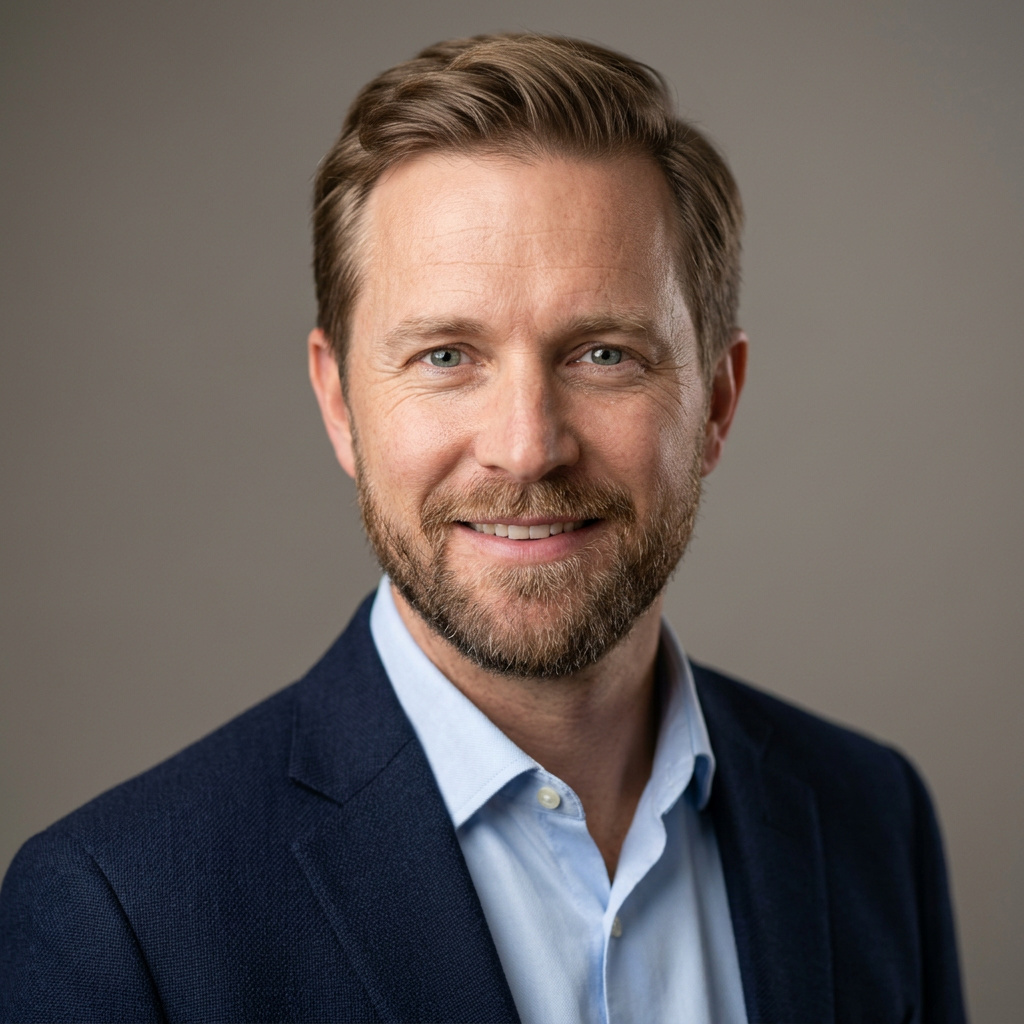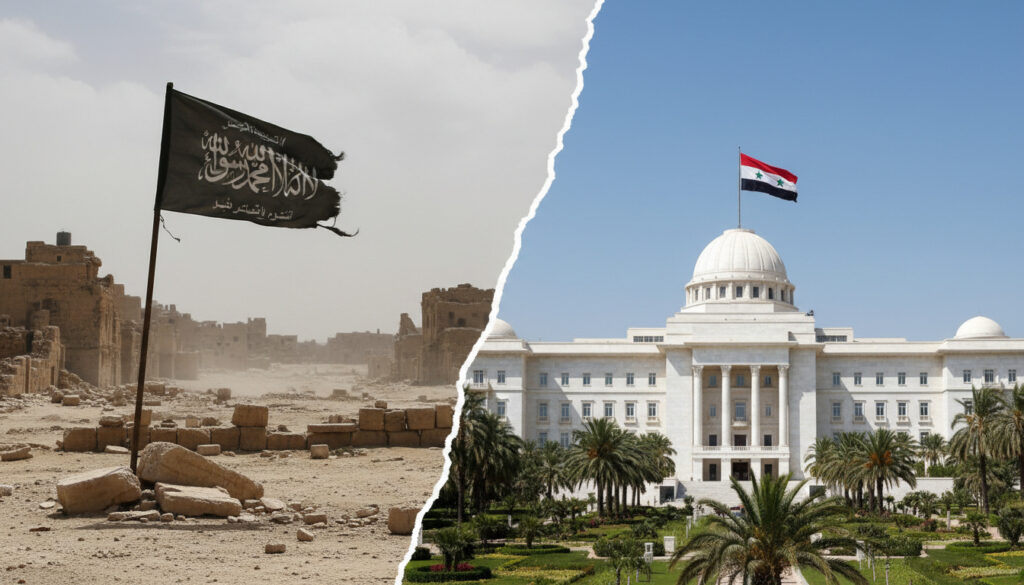
Ahmed al-Sharaa – From Al-Qaeda Leader to Syrian President
Ahmed Hussein al-Sharaa, known internationally by the nom de guerre Abu Mohammad al-Julani, has undergone one of the most remarkable transformations in modern Middle Eastern politics. Born in Riyadh, Saudi Arabia, in 1982 to a Syrian family with peasant origins, the man who once commanded al-Qaeda’s operations in northern Iraq now occupies the presidential palace in Damascus following the December 2024 collapse of the Assad regime.
His trajectory from jihadist detention at Camp Bucca to the helm of Syria’s transitional government encapsulates the complex evolution of the country’s long civil war. As president since January 2025, al-Sharaa faces the dual challenge of consolidating power while convincing a skeptical international community that his Hayat Tahrir al-Sham movement represents a definitive break from its militant origins.
Who is Ahmed al-Sharaa?
- Rapid transformation from designated terrorist to recognized head of state
- Maintained continuous leadership of HTS from 2017 through the presidency
- Established governing structures in Idlib years before taking national power
- Born in Riyadh but rooted in Damascus’s urban middle-class environment
- Detained by US forces at Camp Bucca during the Iraq insurgency
- Publicly severed formal al-Qaeda organizational ties in 2016
- Pledged inclusive governance and four-year election timeline
| Fact | Details |
|---|---|
| Full Name | Ahmed Hussein al-Sharaa |
| Date of Birth | |
| Place of Birth | Riyadh, Saudi Arabia |
| Nom de Guerre | Abu Mohammad al-Julani |
| Primary Group | Hayat Tahrir al-Sham (HTS) |
| Predecessor | Bashar al-Assad |
| Assumed Presidency | |
| Previous Detention | Camp Bucca, Iraq |
| Family Background | Syrian peasant origins, urban middle-class Damascus upbringing |
| Key Formation | Jabhat al-Nusra (2011) |
What is Ahmed al-Sharaa’s connection to al-Qaeda?
Al-Sharaa’s entry into militant Islamist networks began in 2003 following the US invasion of Iraq. He joined Saraya al-Mujahideen in Mosul, a group that pledged allegiance to Abu Musab al-Zarqawi’s al-Qaeda in Iraq (AQI), the precursor to the Islamic State. According to detailed biographical research, he eventually rose to lead AQI’s operations across the Nineveh region.
The Iraq Insurgency and Camp Bucca
His activities in Iraq led to detention by American forces at Camp Bucca, the prison facility that became infamous for housing future extremist leaders. The Washington Institute notes that this period proved formative for al-Sharaa’s military and organizational development, placing him alongside other militants who would later shape regional conflicts.
The nom de guerre “al-Julani” likely derives from the al-Julani neighborhood in Iraq where he conducted operations, rather than from any familial connection. Encyclopedic sources confirm this geographic association from his time fighting with al-Qaeda in Iraq.
Jabhat al-Nusra and the Syrian Branch
Released in 2011 as Syria’s uprising began, al-Sharaa received orders from then-ISI leader Abu Bakr al-Baghdadi to establish a Syrian affiliate. Entering in August 2011 with six associates and sixty rifles, he activated dormant jihadist cells to form Jabhat al-Nusra. By 2012, the group had become prominent while initially concealing its ties to Iraqi leadership.
The Split with ISIS and Al-Qaeda Loyalty
When al-Baghdadi attempted to merge Nusra into the Islamic State of Iraq and the Levant in 2013, al-Sharaa refused. Instead, he pledged direct allegiance to al-Qaeda’s global leader Ayman al-Zawahiri, positioning Nusra as the network’s official Syrian arm. This rejection triggered open warfare between Nusra and ISIS across northern Syria.
Severing Formal Ties
In 2016, al-Sharaa rebranded Nusra as Jabhat Fateh al-Sham, explicitly severing formal organizational ties to al-Qaeda. Analysts suggest this move aimed to reduce international targeting while maintaining operational independence. The following year, he merged this entity into the broader Hayat Tahrir al-Sham coalition.
How did Ahmed al-Sharaa become Syria’s leader?
The path from insurgent commander to national leadership required both military victory and bureaucratic preparation. Al-Sharaa spent years constructing governance structures in Idlib province before launching the offensive that would topple the Assad dynasty.
Governance in Idlib
After forming HTS in 2017, al-Sharaa established the Syrian Salvation Government (SSG) as a technocratic administration in Idlib. The Jewish Virtual Library documents how this body provided essential services through Sharia-guided councils, demonstrating state-like capabilities before controlling the country. This governance experiment served as proof of concept for his administrative ambitions.
The 2024 Offensive
HTS-led forces launched a lightning offensive in late 2024 that overwhelmed regime defenses and entered Damascus by December. Video documentation indicates meticulous planning and coordination among rebel factions. The campaign revealed both the decay of Assad’s military and the sophistication al-Sharaa had brought to HTS’s operational capabilities.
Constitutional Transition
On 29 January 2025, al-Sharaa was declared head of state during a meeting of allied factions. The transitional arrangement dissolved parliament, suspended the 2012 constitution, and formed a new legislative council. He committed to holding a national conference, forming an inclusive government, and conducting elections within four years.
What did Ahmed al-Sharaa say at the UN General Assembly?
In September 2025, al-Sharaa made his debut appearance at the United Nations General Assembly, marking Syria’s diplomatic re-entry under its new leadership. The address represented the culmination of his transformation from internationally designated terrorist to recognized head of state.
The September 2025 UN appearance followed months of deliberation regarding Syria’s seat, which had remained contested since the Assad regime’s fall. UN protocols required navigating the transition of credentials from the defunct government to the HTS-led administration.
While specific policy announcements from the speech await detailed transcription, the appearance itself signaled al-Sharaa’s intent to engage multilateral institutions. US State Department records indicate ongoing assessment of his government’s compliance with international norms regarding human rights and counterterrorism commitments.
Human rights organizations and several Western governments maintain sanctions against HTS and its leadership. Council on Foreign Relations analysis notes that al-Sharaa’s UN participation does not constitute blanket international recognition of his government’s legitimacy.
Timeline of Key Events in Ahmed al-Sharaa’s Life
- : Born Ahmed Hussein al-Sharaa in Riyadh, Saudi Arabia. Source: Al Jazeera
- : Joins jihadist networks following US invasion of Iraq; fights with Saraya al-Mujahideen in Mosul. Source: Middle East Eye
- Mid-2000s: Detained at Camp Bucca prison by US forces. Source: Washington Institute
- : Released; enters Syria to establish Jabhat al-Nusra for al-Qaeda in Iraq. Source: Jewish Virtual Library
- : Rejects merger with ISIS; pledges allegiance to al-Qaeda central command.
- : Rebrands as Jabhat Fateh al-Sham; severs formal al-Qaeda ties.
- : Forms Hayat Tahrir al-Sham (HTS); establishes Syrian Salvation Government in Idlib.
- : HTS offensive topples Assad regime; becomes de facto leader.
- : Declared head of state; dissolves parliament and suspends constitution.
- : Addresses UN General Assembly as Syrian president. Source: UN Press
What is established and what remains uncertain?
| Established Facts | Uncertain or Developing |
|---|---|
| He led HTS from 2017 through the overthrow of Assad | The permanence of his disengagement from al-Qaeda ideology |
| He was detained at Camp Bucca during the Iraq War | Specific timeframes for promised elections |
| He formally severed organizational ties to al-Qaeda in 2016 | Extent of ongoing sanctions and international recognition |
| He assumed the presidency on 29 January 2025 | Human rights protections under the transitional government |
| He addressed the UN General Assembly in September 2025 | Long-term stability of the HTS-led administration |
How does his background shape Syria’s future?
Al-Sharaa’s history creates a unique governance paradox. His movement’s origins in al-Qaeda’s network provide disciplined organizational structures and experienced commanders, yet generate profound suspicion among Western powers and Syrian minorities. Childhood influences involving shifting discipline to rebellion suggest a pattern of ideological flexibility that may serve statecraft but raises questions about core convictions.
The Syrian Salvation Government’s record in Idlib offers the only empirical basis for predicting national policy. Its technocratic administration provided electricity, education, and courts, but operated under Sharia guidance without accommodations for religious minorities. Whether this model scales nationwide—or moderates to accommodate Syria’s pluralistic reality—remains the central question of his presidency. For additional context on communication patterns in the region, see What Does ISTG Mean – Texting Slang Guide and Examples. The Syrian Salvation Government’s record in Idlib offers the only empirical basis for predicting national policy, and for more on the people involved, you can explore the акторський склад дому дракона.
Expert Perspectives and Source Attribution
Multiple expert sources corroborate al-Sharaa’s trajectory. The Washington Institute emphasizes his Camp Bucca detention and early AQI leadership. Middle East Eye provides biographical depth regarding his formative years in Damascus. Encyclopedia entries at Wikipedia and the Jewish Virtual Library compile verified timelines of his organizational shifts.
What lies ahead for Syria?
Syria enters 2025 under transitional leadership promising elections within four years. Ahmed al-Sharaa – From Al-Qaeda to Syrian President represents a case study in militant rebranding, but the durability of this transformation depends on delivering inclusive governance and security. As he balances HTS’s ideological foundations against the pragmatic demands of state administration, the international community watches for concrete human rights protections and political opening.
Frequently Asked Questions
What is Ahmed al-Sharaa’s full name?
His full name is Ahmed Hussein al-Sharaa, though he was internationally known for years as Abu Mohammad al-Julani.
Where was Ahmed al-Sharaa born?
He was born in Riyadh, Saudi Arabia, on 29 October 1982, to a Syrian family with peasant origins.
What does the name al-Julani signify?
The nom de guerre likely references the al-Julani neighborhood in Iraq where he fought with al-Qaeda in Iraq during the mid-2000s.
What is Hayat Tahrir al-Sham (HTS)?
HTS is a coalition formed in 2017 that includes former Jabhat al-Nusra elements and currently serves as the dominant political and military force in Syria’s transitional government.
What happened to Bashar al-Assad?
Bashar al-Assad’s regime collapsed in December 2024 following an HTS-led offensive; he fled Syria and was subsequently replaced by al-Sharaa’s transitional administration.
Is Ahmed al-Sharaa still considered a terrorist by Western governments?
Several Western nations maintain sanctions against HTS and al-Sharaa due to his al-Qaeda history, though his UN appearance indicates evolving diplomatic engagement.
When will Syria hold elections?
Al-Sharaa has pledged to hold elections within up to four years from January 2025, following a national conference and formation of an inclusive government.
More related posts
 Tomorrow, and Tomorrow, and Tomorrow – Macbeth Soliloquy Explained
 Battery Operated Wall Lights – Top 2025 Picks Reviewed
 Need for Speed Unbound – Release Date Platforms and Facts
 Janet Jackson’s Son, Health, and Relationships: 2025 Facts
 Jon Favreau: From Obama Speechwriter to Media Mogul
 Raul Julia: Life, Death, and Meryl Streep’s Tribute
 Best Robot Vacuum and Mop – Top Lab-Tested Picks 2026
 West Ham vs Burnley: Highlights, Prediction, Live Scores & H2H