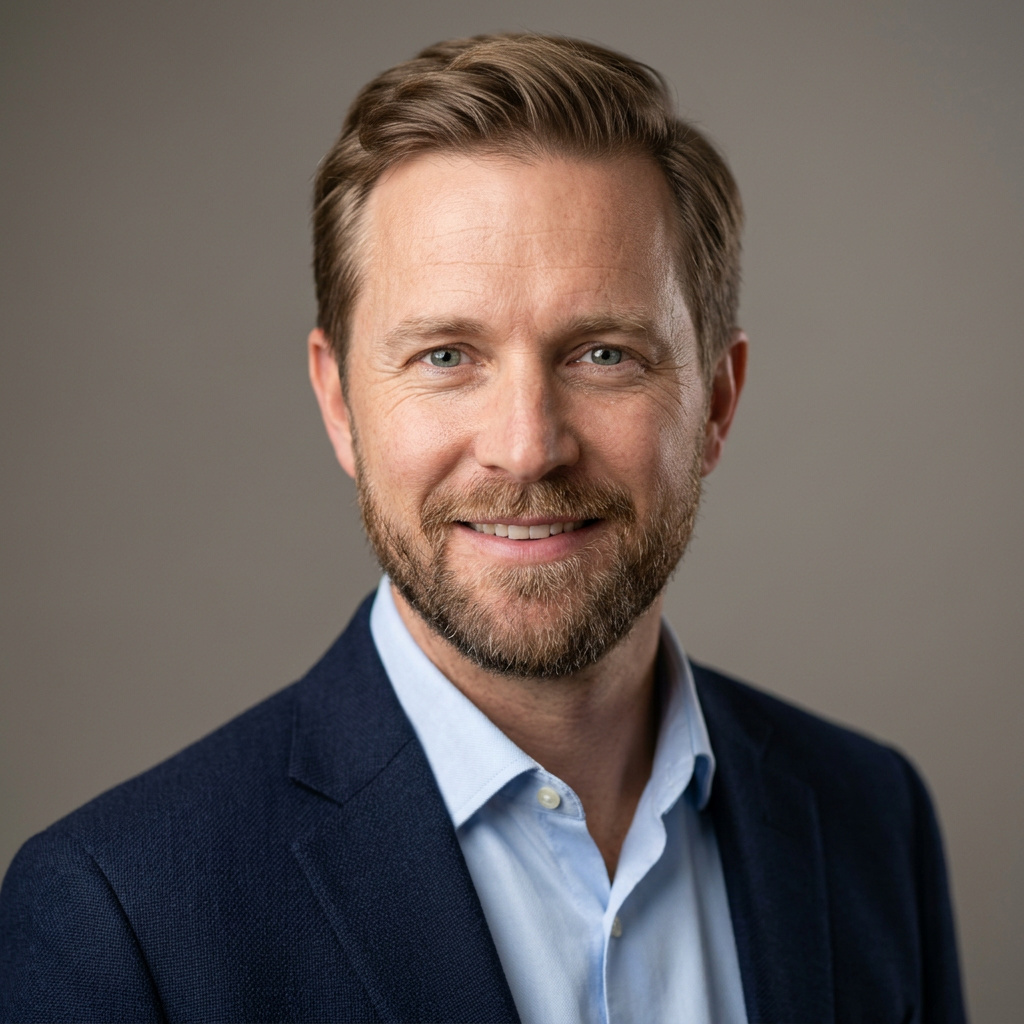
Ahmed al-Sharaa – From Al-Qaeda to Syrian President
Ahmed Hussein al-Sharaa, known widely by his nom de guerre Abu Mohammad al-Julani, assumed Syria’s presidency in January 2025 following the collapse of the Assad regime. Born on October 29, 1982, the former commander of Hay’at Tahrir al-Sham (HTS) orchestrated the December 2024 offensive that ended over five decades of Ba’athist rule, marking a singular moment in the nation’s modern history.
His journey from the insurgent networks of post-invasion Iraq to the presidential palace encapsulates the complex transformations within Syrian jihadism. Al-Sharaa’s path included founding Syria’s al-Qaeda affiliate, breaking with the global terrorist network, and ultimately establishing a provisional government that provided services to millions in northwest Syria.
The Newspaper – Definition, History, Types and Evolution archives document similar instances where armed movements transition into political authority, though rarely from such explicit terrorist origins.
Who is Ahmed al-Sharaa?
- Origins: Born in Damascus or Deir ez-Zor, raised partially in Idlib province, with family connections to the Golan Heights.
- Iraq War: Joined al-Qaeda in Iraq in 2003 under Abu Musab al-Zarqawi following the U.S. invasion.
- Detention: Held by U.S. forces between 2003 and approximately 2008-2011.
- Syrian Entry: Dispatched by Abu Bakr al-Baghdadi in 2011 to establish the al-Nusra Front.
- Rebranding: Severed al-Qaeda ties in 2016, forming Jabhat Fateh al-Sham, then HTS in 2017.
- Idlib Governance: Operated the Syrian Salvation Government from 2017 through 2024.
- Regime Change: Led the December 2024 military campaign that toppled Bashar al-Assad.
| Fact | Details |
|---|---|
| Birth Date | October 29, 1982 |
| Birth Place | Damascus (or possibly Deir ez-Zor), Syria |
| Alias | Abu Mohammad al-Julani (or al-Jolani) |
| Current Title | President of Syria’s Interim Government |
| Term Start | January 2025 |
| Predecessor | Bashar al-Assad (regime ended December 2024) |
| Previous Role | Emir of HTS (2017-2025) |
| Al-Qaeda Tenure | Member (2003-2016); Led al-Nusra Front (2012-2017) |
| Detention | U.S. forces, Iraq (released circa 2008-2011) |
| Key Achievement | Led December 2024 offensive capturing Damascus |
Wikipedia and Britannica provide extensive documentation on his biographical details and political transitions.
How did Ahmed al-Sharaa rise to become Syria’s leader?
The Iraqi Insurgency
Al-Sharaa entered armed militancy in 2003, joining al-Qaeda in Iraq during the American-led invasion. Operating under the command of Abu Musab al-Zarqawi, he adopted the name al-Julani, possibly referencing either his family’s expulsion from the Golan Heights or his time in Baghdad’s al-Julani neighborhood. Video documentation confirms his subsequent detention by U.S. forces, with release occurring sometime between 2008 and 2011.
Building al-Nusra
In 2011, Abu Bakr al-Baghdadi dispatched al-Sharaa to Syria to establish Jabhat al-Nusra. The organization initially concealed its al-Qaeda affiliation to cultivate local support while pursuing strict Sharia governance. By 2012, it ranked among the most powerful rebel factions, though its exclusivist ideology rejected negotiations with Assad and marginalized religious minorities.
Breaking with Baghdadi and Zawahiri
The 2013 attempt by Baghdadi to merge al-Nusra into the Islamic State sparked open conflict. Al-Sharaa rejected the merger, instead pledging loyalty to al-Qaeda leader Ayman al-Zawahiri and directing his forces against ISIS. This schism defined the brutal insurgent infighting that characterized Syria’s early civil war years.
Al-Sharaa transitioned from HTS emir to interim president in January 2025, marking the first time a former al-Qaeda affiliate leader has assumed national executive authority in the Arab world.
From Terrorist Designation to Governance
Strategic rebranding began in 2016 with the formation of Jabhat Fateh al-Sham, explicitly severing al-Qaeda ties to evade international sanctions. The 2017 creation of HTS merged multiple Islamist factions under his command, establishing control over Idlib province and forming the Syrian Salvation Government. Analyses from the Washington Institute note this period demonstrated sophisticated state-building capacity, including infrastructure repair and judicial systems, despite continued criticism regarding religious policing.
What is Ahmed al-Sharaa’s past connection to al-Qaeda?
Founding Syria’s al-Qaeda Affiliate
As commander of the al-Nusra Front from 2012 through 2017, al-Sharaa officially represented al-Qaeda’s Syrian franchise. The organization conducted bombing campaigns, established religious courts, and enforced conservative Islamic codes across captured territories. Historical records document the group’s initial secrecy regarding its foreign leadership, a tactic designed to avoid alienating Syrian civilians skeptical of global jihadist agendas.
The 2016 Severance
The formal break with al-Qaeda in 2016 served multiple strategic functions. By rebranding as Jabhat Fateh al-Sham and later HTS, al-Sharaa sought to disqualify the legal basis for American and Russian airstrikes targeting his organization as an al-Qaeda branch. Simultaneously, the move aimed to consolidate Syrian rebel factions under a nationalist rather than globalist banner.
While al-Sharaa formally dissolved al-Qaeda ties in 2016-2017, analysts note that HTS maintained conservative Islamic governance in Idlib, including religious police units, through 2024.
Current Status
Despite the 2016 disaffiliation, HTS remained designated as a terrorist organization by multiple governments and the United Nations through late 2024. The group’s governance style continued to draw criticism for property seizures from minority communities and restrictions on civil liberties, complicating al-Sharaa’s current diplomatic positioning.
What are Ahmed al-Sharaa’s recent diplomatic appearances?
Following the December 2024 regime change, al-Sharaa adopted Western business attire and moderated his public rhetoric, signaling a shift toward conventional statesmanship. Regional actors including Iraq received assurances that his administration would avoid the sectarian retribution that characterized previous Syrian transitions.
However, specific claims regarding appearances at the United Nations General Assembly or the White House lack verification in available diplomatic records and news archives. Israeli news sources and international monitoring organizations have not confirmed these specific 2025 engagements, suggesting they may reflect anticipated rather than realized itineraries.
Claims regarding a UN speech or White House visit in 2025 lack confirmation in major diplomatic records and news archives as of the current research date.
How did Ahmed al-Sharaa’s trajectory unfold chronologically?
- : Born Ahmed Hussein al-Sharaa in Damascus (or Deir ez-Zor), raised partly in Idlib.
- : Joined al-Qaeda in Iraq following U.S. invasion; detained by American forces.
- : Released from U.S. detention in Iraq.
- : Dispatched to Syria to establish Jabhat al-Nusra (al-Nusra Front).
- : Rejected merger with ISIS; pledged loyalty to al-Qaeda leader Ayman al-Zawahiri.
- : Rebranded as Jabhat Fateh al-Sham; severed formal al-Qaeda ties.
- : Formed Hay’at Tahrir al-Sham (HTS); established Syrian Salvation Government in Idlib.
- : Led HTS offensive capturing Damascus; Bashar al-Assad regime falls.
- : Appointed president of Syria’s interim government.
What facts are established and what remains uncertain?
| Established Information | Remaining Uncertainties |
|---|---|
| Born 1982; real name Ahmed Hussein al-Sharaa | Exact birthplace (Damascus vs. Deir ez-Zor) |
| Led al-Nusra Front (2012-2017) and HTS (2017-2025) | Precise dates of U.S. detention and release |
| Detained by U.S. forces in Iraq | Specific 2025 UN speech or White House visit details |
| Severed formal al-Qaeda ties in 2016-2017 | Current extent of HTS influence over national governance |
| Became interim president January 2025 | Degree of ongoing ideological commitment to previous networks |
What does Ahmed al-Sharaa’s leadership mean for post-Assad Syria?
Syria faces fundamental transformation after five decades of Assad family rule. The Newspaper – Definition, History, Types and Developments coverage suggests his emergence represents a break from Ba’athist secularism toward Islamist-influenced governance, though he has publicly presented pragmatic positions regarding reconstruction and regional stability.
The shift from Idlib’s provincial administration to national leadership presents structural challenges, particularly regarding minority rights, international sanctions, and institutional capacity. Whether the Salvation Government’s Idlib model can scale to govern Syria’s diverse religious and ethnic landscape remains the central question confronting the interim administration.
What do authoritative sources say about Ahmed al-Sharaa’s record?
Ahmed Hussein al-Sharaa (born October 29, 1982), also known as Abu Mohammad al-Julani (or al-Jolani), is a Syrian politician and former jihadist commander who became president of Syria’s interim government in January 2025 after leading Hay’at Tahrir al-Sham (HTS) in toppling Bashar al-Assad’s regime in December 2024.
Search results do not detail a specific UN speech or White House visit by al-Sharaa; these may refer to post-2024 diplomatic engagements not covered here, or require further verification amid his rapid rise.
— Research Documentation
What lies ahead for Ahmed al-Sharaa and Syria?
Al-Sharaa must navigate between his movement’s jihadist origins and the demands of governing a diverse, war-torn nation. Success depends on delivering stability, services, and inclusivity while convincing international observers that HTS’s state-building capacity extends beyond Idlib’s borders. The coming months will determine whether his rebranding represents genuine transformation or tactical repositioning.
Frequently Asked Questions
What is the meaning of al-Sharaa’s nom de guerre, al-Julani?
The name references either his family’s history of expulsion from the Golan Heights (al-Jawlan in Arabic) or his residence in Baghdad’s al-Julani neighborhood during his time with al-Qaeda in Iraq.
How long was Ahmed al-Sharaa detained by U.S. forces?
Records indicate detention beginning in 2003 with release occurring sometime between 2008 and 2011, though exact dates remain unspecified in available sources.
What caused the split between al-Sharaa and ISIS in 2013?
Abu Bakr al-Baghdadi attempted to merge al-Nusra Front into the Islamic State without consulting al-Sharaa, who rejected the merger and pledged separate loyalty to al-Qaeda’s Ayman al-Zawahiri.
What is HTS and how does it differ from al-Nusra Front?
Hay’at Tahrir al-Sham (HTS) formed in 2017 as a merger of Islamist factions after al-Sharaa severed al-Qaeda ties. It governed Idlib through the Salvation Government until assuming national power in 2025.
Is the Syrian Salvation Government still operating?
The Salvation Government provided de facto governance in Idlib from 2017 through 2024. Its structures likely form the basis of the current interim administration, though formal status remains transitional.
What is HTS’s current international status?
As of late 2024, HTS remained designated as a terrorist organization by multiple governments and the UN, complicating al-Sharaa’s diplomatic recognition despite his presidential role.
More related posts
 When Does Love Island Finish – 2024 UK Finale Date and Winners
 Osama bin Laden: Life, 9/11 Death, and Family Wealth
 Mr Bigstuff Season 2: Release Date, Cast, Episodes and Renewal
 Yes or No Wheel – Free Online Spinner for Quick Decisions
 Henry Golding: Ethnicity, Wife, Children, Languages
 Chick-fil-A Leeds – Location Hours Menu Details
 Keeley Hazell: From Page 3 to Ted Lasso and Memoir
 Victoria’s Secret Bombshell Bra: Sale, Sizing & Push-Up Guide