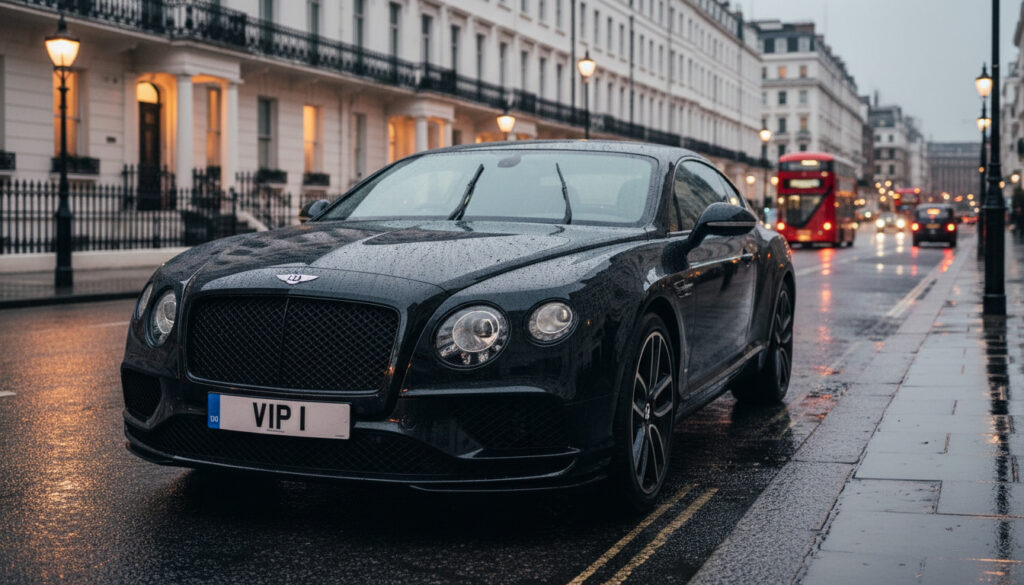
Private Plates for Sale – UK Buyer’s Complete Guide
Private registration plates represent one of the few remaining avenues for vehicle personalisation in the UK that carries both sentimental and potential investment value. These unique combinations of letters and numbers, officially termed personalised registrations by the Driver and Vehicle Licensing Agency (DVLA), allow owners to display meaningful words, initials, or numbers on their vehicles.
The market has evolved significantly since the first auctions in 1989. Today, buyers can acquire these plates through official government channels, established dealers, or private transactions, with prices ranging from modest sums of £70 to record-breaking figures exceeding £500,000. Understanding where to source legitimate plates and how to navigate the transfer process remains essential for anyone considering this form of automotive customisation.
Where Can I Buy Private Plates?
The UK market offers three primary channels for purchasing private plates, each with distinct advantages regarding price transparency, security, and selection breadth.
Official DVLA
Direct sales from £250 and auctions starting at £70. The most secure source with guaranteed legal ownership.
Registered Dealers
Established brokers like Regtransfers and PlateHunter offer curated inventories with paperwork handling services.
Private Sellers
Direct owner sales often listed on marketplaces. Requires careful verification of documentation to avoid fraud.
Auction Houses
DVLA runs nine annual auctions featuring exclusive dateless and desirable combinations unavailable elsewhere.
Key Market Insights:
- DVLA Dominance: The agency controls the primary market, releasing new registrations through nine annual auctions and direct sales.
- Digital Shift: All DVLA auctions now operate online over seven-day periods, replacing traditional venue-only events.
- Dealer Networks: Specialist dealers maintain stockpiles of previously issued plates, often commanding premiums for immediate availability.
- Price Variance: Identical plates may cost £250 through DVLA direct sales or thousands through private dealers depending on desirability.
- Security Concerns: Private sales carry higher fraud risks; buyers should verify V750 certificates and use escrow services when possible.
- Exclusive Access: Certain dateless combinations only appear at DVLA auctions, never entering the open retail market.
- Geographic Reach: Online platforms enable UK-wide bidding, though physical auction venues remain available five times yearly.
| Specification | Details |
|---|---|
| Issuing Authority | DVLA (Driver and Vehicle Licensing Agency) |
| Available Formats | Dateless, Prefix, Suffix, Current/New Style |
| Minimum Auction Bid | £70 (plus buyer’s premium and VAT) |
| Standard Transfer Fee | £80 (DVLA online or V317 form) |
| Annual Auctions | 9 total (mix of venue and timed online) |
| Certificate Types | V750 (Entitlement) or V778 (Retention) |
| Legal Age Restriction | Cannot make vehicle appear newer than actual age |
| Starting Retail Price | £250 (DVLA direct sales) |
How Much Do Private Plates Cost?
Pricing for personalised registrations follows no standardised formula, fluctuating based on character length, word relevance, and market demand.
Auction Prices and Retail Markups
DVLA auctions present the most affordable entry point, with reserve prices starting at £70 for basic dateless, prefix, or suffix combinations. However, competitive bidding frequently drives final hammer prices into the thousands for plates spelling names or common words. Premium plates—those with single digits or highly sought-after letter combinations—regularly achieve six-figure sums.
Retail dealers typically add 20-50% markups to auction-acquired stock, reflecting holding costs and immediate availability. Private sales operate entirely within the secondary market, with values determined by negotiation and documented comparable sales.
Additional Fees and Transfer Costs
Beyond the purchase price, buyers must budget for mandatory government fees. The DVLA charges £80 for transfer processing, whether completed online or via paper V317 forms. Auction purchases incur additional buyer’s premiums and VAT on the hammer price.
When bidding at DVLA auctions, the final cost exceeds your maximum bid by approximately 20% once buyer’s premiums and VAT are applied. Set your absolute ceiling below your total budget to accommodate these mandatory additions.
What Are Private Plates and the Rules?
Private plates—legally termed personalised registrations—comprise four distinct formats, each with specific characteristics regarding age indication and availability.
Understanding the Four Formats
Dateless plates, issued before 1963, carry no year identifier and command premium prices due to their ability to disguise a vehicle’s age. Prefix style (1983-2001) uses a single letter followed by numbers, while Suffix style (1963-1983) places the age identifier at the end. Current style plates, introduced in 2001, utilise two-number year codes (such as 20 or 73) and offer millions of combination possibilities.
Legal Display Requirements
The DVLA enforces strict regulations regarding plate assignment. Owners cannot assign a plate that makes the vehicle appear newer than its actual manufacture date. Additionally, plates must meet British Standard specifications for font, spacing, and reflectivity; non-compliant displays risk MOT failure and fines.
Attempting to assign a 2023-dated plate to a 2010 vehicle constitutes a legal violation. The DVLA system automatically blocks such transfers during online applications, and manual attempts trigger compliance investigations.
How to Transfer Private Plates?
Transferring ownership from seller to vehicle—or retaining the registration for future use—requires specific documentation and adherence to DVLA protocols.
Assignment Procedures
Successful auction bidders receive a V750 Certificate of Entitlement, while those purchasing retention certificates hold V778 documents. To assign the registration to a vehicle, the owner must complete the V317 form or use the DVLA’s online service, paying the £80 transfer fee. The vehicle must be registered with DVLA, taxed, and MOT’d at the time of transfer.
Retention and Certificates
Owners need not immediately assign purchases to vehicles. Registrations can remain on certificates for up to ten years, renewable indefinitely, allowing buyers to secure desirable combinations before acquiring suitable vehicles. During retention, the plate cannot be displayed on any vehicle.
When buying privately, always verify the V750 or V778 certificate reference number directly with DVLA before payment. Fraudulent sellers sometimes offer plates they do not legally own or have already assigned elsewhere.
How Has the Private Plate Market Evolved?
- 1989: DVLA conducts the first personalised registration auctions, establishing the secondary market for previously unissued combinations.
- 1990s: Introduction of the prefix system (A-reg through Y-reg) expands available combinations while indicating vehicle age.
- 2001: Current style format launches with two-number year identifiers, creating millions of new possibilities every six months.
- 2010s: Transition to fully online auction platforms, allowing remote bidding and expanding market participation beyond physical attendees.
- 2020-Present: Record sales exceed £500,000 for single-digit dateless plates, while entry-level auctions start at £70, democratising access.
What Information Is Definitive vs Variable?
Established Facts
- DVLA transfer fee is fixed at £80
- Nine auctions occur annually
- Dateless plates carry no age identifier
- V750 certificates prove entitlement
- Online assignment takes immediate effect
Market Variables
- Final auction prices depend on bidding activity
- Dealer markup percentages vary by business
- Private sale valuations lack standardisation
- Future auction dates subject to scheduling
- Investment returns fluctuate with demand
Why Do People Invest in Personalised Registrations?
The motivations behind private plate purchases extend beyond mere vehicle identification. For many buyers, plates represent personalised branding—displaying names, initials, or business identifiers on daily transport. Others view rare dateless combinations as alternative investments, with certain configurations appreciating significantly over decades.
The market also serves practical purposes. Owners of classic vehicles often seek period-correct registrations to enhance authenticity, while businesses use memorable plates for fleet branding. Unlike other vehicle modifications, registrations transfer between owners and retain value independently of the car itself. For those interested in systematic approaches to value assessment, resources like How to Improve VO2 Max – Science-Backed Training Guide demonstrate rigorous analytical methods applicable to market research.
What Do Official Sources Say?
“DVLA holds nine auctions per year, all online over seven days, featuring thousands of exclusive plates including dateless, prefix, suffix, and current styles.”
— DVLA Official Communications
“Buyers should be aware that the hammer price is not the final cost. Buyer’s premium and VAT apply to all auction purchases.”
— RightReg Auction Analysis
Summary
The UK private plate market offers accessible entry points from £70 at DVLA auctions to six-figure investments in rare dateless combinations. Success requires understanding the four format types, budgeting for £80 transfer fees plus auction premiums, and verifying documentation when buying privately. Whether seeking personal expression or alternative assets, buyers should prioritise official channels or established dealers to ensure legal ownership transfer. Those seeking structured approaches to complex purchases may find value in analytical frameworks similar to those discussed in How to Improve VO2 Max – Proven Training Strategies.
Frequently Asked Questions
Can I put any private plate on any car?
No. You cannot assign a plate that makes the vehicle appear newer than its actual manufacture date. However, you can put an older plate on a newer car. The DVLA system automatically blocks illegal assignments.
How long does a transfer take?
Online transfers typically complete immediately. Postal applications using the V317 form may take two to four weeks. Auction purchases require payment clearance before the V750 certificate issues.
What happens if I lose my certificate?
Contact DVLA immediately to report lost or stolen V750 or V778 certificates. You can apply for a replacement, though fees may apply. Never buy a plate from someone who cannot produce the original certificate.
Can I sell my plate back to DVLA?
DVLA does not buy back registrations. You must sell through private markets, dealers, or auctions. Retain the plate on a V778 certificate until you find a buyer, then complete the transfer process.
Are there hidden costs after purchase?
Beyond the £80 DVLA transfer fee, you must pay for physical number plates from a registered supplier. If buying at auction, remember the buyer’s premium and VAT added to your winning bid.
More related posts
 How to Get Rid of Fruit Flies Fast: 10 Proven Methods
 What Does ISTG Mean – Texting Slang Guide and Examples
 Alex Dunne Penalty Formula 2 Austria – Disqualified for Plank Wear Breach
 Sidharth Malhotra: Biography, Net Worth, and Wife Kiara Advani
 Spain vs Germany Today Match – 3-0 Win, Goals, Key Stats
 Black Chest of Drawers – IKEA Argos Dunelm Compared
 Barcelona vs Real Betis: Preview, H2H, Lineups & Tickets
 Before the Coffee Gets Cold – Complete Series Guide