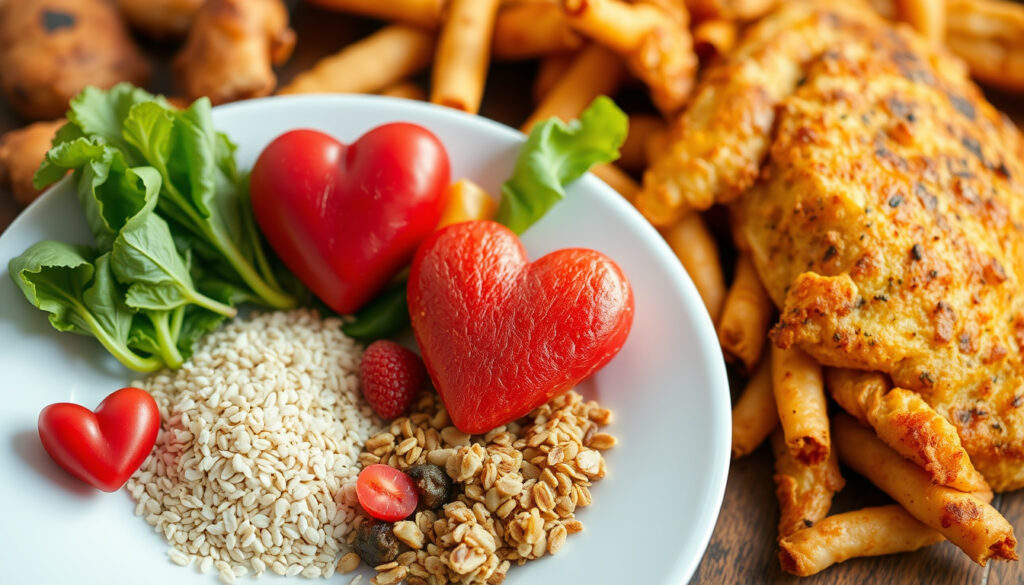
How to Lower Cholesterol: Fastest Ways, Worst Foods
You’ve had the blood test results and the number is higher than you’d like. The good news: lowering your cholesterol doesn’t require a complete life overhaul — with targeted changes to diet and exercise, many people see meaningful LDL reductions within four to six weeks.
Recommended weekly exercise: 150 minutes of moderate-intensity activity ·
Saturated fat limit: Less than 10% of daily calories ·
Soluble fiber target: 5–10 grams daily to help lower LDL ·
Potential LDL reduction with plant stanols: Up to 10% with 2 grams per day
Quick snapshot
- Reducing saturated fat lowers LDL cholesterol (MedlinePlus (U.S. National Library of Medicine))
- Regular exercise can raise HDL and help manage weight (Baptist Health System)
- Smoking cessation improves HDL levels (American Heart Association)
- Soluble fiber binds cholesterol and aids excretion (MedlinePlus) (MedlinePlus (U.S. National Library of Medicine))
- Exact cholesterol response to egg consumption varies by individual (Harvard Health (Harvard Medical School))
- Optimal dosage and long-term safety of red yeast rice supplements are not fully established (Harvard Health (Harvard Medical School))
- If lifestyle changes don’t reach targets, statins are the fastest pharmaceutical option (NHS (UK National Health Service))
- Regular lipid panel tests (every 4–6 years for most adults) track progress (MedlinePlus) (NHS (UK National Health Service))
Four key numbers, one pattern: the targets are clear, but most people miss the mark because they focus on one change only. Here are the standard cholesterol targets from major health authorities.
| Measure | Target |
|---|---|
| Normal total cholesterol | Less than 200 mg/dL (5.2 mmol/L) |
| LDL target | Less than 100 mg/dL (2.6 mmol/L) |
| HDL (good) cholesterol | Above 60 mg/dL (1.6 mmol/L) is protective |
| Triglycerides | Less than 150 mg/dL (1.7 mmol/L) |
The implication: these numbers are not arbitrary. They’re tied to real risk — every 10-point rise in LDL increases cardiovascular risk by about 10%.
What is the fastest way to reduce high cholesterol?
If you need a quick drop, the most evidence-backed path combines two actions: cutting saturated fat to below 7% of daily calories and adding 10 grams of soluble fiber a day. MedlinePlus (U.S. National Library of Medicine) recommends keeping saturated fat under that threshold and getting 10 to 25 grams of soluble fiber daily for people aiming to lower cholesterol.
A person who swaps butter for olive oil and adds oats and beans can see LDL drop by 10–15% in just a few weeks. Fiber literally binds cholesterol in the gut and excretes it.
How can I reduce cholesterol in 7 days?
- Cut trans fats entirely. Check labels for hydrogenated oils — they raise LDL and lower HDL simultaneously (American Heart Association).
- Start every day with a bowl of oats. Oats are rich in beta-glucan, a soluble fiber that reduces cholesterol absorption (MedlinePlus).
- Swap red meat for fatty fish such as salmon or mackerel at least twice this week. Omega-3s can improve triglycerides within four weeks (GoodRx).
- Add a handful of walnuts or almonds as a snack — they contain unsaturated fats that help lower LDL.
What this means: one week won’t fix high cholesterol, but it’s enough to start shifting the trend. The biggest bang comes from removing the worst offenders (trans fats, processed meats) and adding fiber-rich foods.
How can I reduce cholesterol in 30 days?
- Exercise most days. The National Lipid Association recommends 150 to 300 minutes of moderate activity weekly — that’s 30 to 45 minutes on 5 to 7 days.
- Eat more plant-based meals. Fill half your plate with colorful non-starchy vegetables and choose whole grains like quinoa and brown rice (National Lipid Association).
- Cut alcohol to a minimum. Even moderate drinking can raise triglycerides.
- If you smoke, stop. Quitting can raise HDL within weeks (American Heart Association).
The catch: consistency matters more than intensity. A 30-day plan that includes all four strategies can lower LDL by 8–15%, according to Harvard Health. The trade-off: results require daily effort, but the metabolic shift is sustainable long-term.
What are the 5 worst foods for cholesterol?
Not all high-fat foods are equal. Some actively clog arteries; others, when eaten in moderation, can be part of a heart-healthy diet. Here are the top offenders, backed by major health bodies.
- Fried foods (french fries, fried chicken): high in trans fats and saturated fat. The British Heart Foundation advises cutting them out or saving them for rare occasions.
- Processed meats (bacon, sausages, salami): packed with saturated fat and sodium. The American Heart Association recommends choosing lean meats and limiting processed varieties.
- Red meat (especially fatty cuts): beef, lamb, and pork with visible fat raise LDL. Limit to about 6 to 7 oz per day (National Lipid Association).
- Full-fat dairy (butter, cream, whole milk): high in saturated fat. The NHS advises swapping to semi-skimmed or skimmed milk and lower-fat cheese.
- Baked goods and fast food (cookies, pastries, pizza): often contain hydrogenated fats and added sugars that increase both triglycerides and LDL.
What to eat to reduce cholesterol
- Oats and barley for soluble fiber (MedlinePlus)
- Fatty fish (salmon, mackerel, sardines) for omega-3s
- Nuts and seeds (almonds, walnuts, flaxseeds) for unsaturated fats
- Olive oil as a replacement for butter or margarine
- Beans, lentils, chickpeas — high in fiber and protein
Why this matters: the ratio matters more than any single food. Replacing saturated fats with unsaturated fats and fiber shifts the entire lipid profile.
What are 10 warning signs of high cholesterol?
High cholesterol is famously silent — most people have no symptoms until a serious event. However, certain signs can indicate very high levels or advanced disease.
- Chest pain (angina) — may signal narrowed arteries (Mayo Clinic)
- Heart attack — cholesterol plaque rupture can block blood flow
- Stroke — plaque in carotid arteries
- Peripheral artery disease — leg pain when walking
- Xanthomas — yellowish fatty deposits under the skin, often on elbows or eyelids (NHS)
- Xanthelasma — cholesterol deposits around the eyes
- Corneal arcus — a white ring around the iris (more common in older adults)
- Fatigue or shortness of breath with exertion
- High blood pressure — often coexists with high cholesterol
- Family history — genetic forms (familial hypercholesterolemia) can cause very high cholesterol without lifestyle factors
The pattern: if you have any of the first four symptoms, seek urgent care. The rest may prompt a lipid panel test. Diagnosis is via blood test — the only reliable method (HSE (Irish health authority)).
Will 2 eggs a day raise my cholesterol?
This is one of the most persistent nutrition debates. For most people, dietary cholesterol from eggs has a modest effect on blood cholesterol — far less than saturated fat. The British Heart Foundation states that saturated fat intake is the stronger driver of LDL than eggs. The American Heart Association says up to two eggs per day is generally safe for healthy individuals. However, people with diabetes or existing heart disease may need to limit consumption — consult your doctor.
Eggs are nutrient-dense and unlikely to harm your cholesterol unless they’re fried in butter or eaten alongside bacon. The real risk is what the egg is cooked with and what accompanies it.
The pattern: for most people, eggs are a healthy part of a balanced diet; the cooking method and accompanying foods matter more than the eggs themselves.
What flushes cholesterol out of your body?
No single food “flushes” cholesterol, but certain nutrients actively help remove it from the body. Soluble fiber is the most powerful — it binds to cholesterol in the digestive tract and carries it out as waste. MedlinePlus recommends 10 to 25 grams of soluble fiber daily. Plant stanols and sterols block cholesterol absorption in the intestines, with 2 grams per day lowering LDL by up to 10% (MedlinePlus). Omega-3 fatty acids from fish oil can lower triglycerides but not directly LDL (GoodRx).
What supplements lower cholesterol
- Plant sterols/stanols — found in fortified spreads and supplements (MedlinePlus)
- Soluble fiber supplements (psyllium, glucomannan) — can help reach fiber goals
- Omega-3 (fish oil) — may lower triglycerides (GoodRx)
- Red yeast rice — contains monacolin K, a natural statin-like compound, but safety and quality vary widely
The catch: supplements are secondary to diet. No pill can outdo a poor diet and sedentary lifestyle.
What reduces cholesterol quickly?
The fastest reduction comes from statins, which can lower LDL by 30-50% within weeks. But lifestyle changes can deliver meaningful results in the same timeframe. The NHS notes that combining diet, exercise, and smoking cessation can reduce cholesterol by 10-20% in 4-6 weeks. Quitting smoking raises HDL immediately (American Heart Association). Very low-carb or plant-based diets can also produce rapid LDL drops (British Heart Foundation).
What reduces cholesterol quickly naturally?
- Eliminate trans fats immediately
- Eat oats, barley, and legumes for soluble fiber
- Exercise 30 minutes daily — even brisk walking counts
- Lose 5-10% of body weight if overweight
- Cut alcohol entirely for a short period
What this means: natural methods are slower than statins but they address root causes. For many, a 10% LDL drop naturally is enough to avoid medication.
How can I lower cholesterol naturally?
- Add plant stanols/sterols — 2 grams daily (MedlinePlus)
- Incorporate resistance training — within 6 weeks, it can lower LDL (GoodRx)
- Replace red meat with fish — twice a week
- Drink green tea — antioxidants may help
The trade-off: natural methods require patience. Results appear over weeks and months, not days. But they’re sustainable and carry no side effects.
Steps to Lower Your Cholesterol
- Get tested — a lipid panel gives you baseline numbers. The NHS recommends testing every 4-6 years for adults over 40.
- Set a saturated fat target — aim for less than 7% of daily calories (MedlinePlus). That’s about 15 grams for a 2,000-calorie diet.
- Increase soluble fiber gradually — add oats, beans, or psyllium to reach 10-25 grams per day.
- Commit to 150 minutes of moderate exercise weekly — break it into 30-minute blocks (National Lipid Association).
- If you smoke, stop — HDL rises within weeks of quitting.
- Re-evaluate after 6–8 weeks — get a repeat lipid panel. If LDL hasn’t budged, talk to your doctor about medication.
Why this sequence matters: you can’t improve what you don’t measure. The step-by-step approach builds sustainable habits rather than a crash course.
Clarity Check
Confirmed facts
- Reducing saturated fat lowers LDL cholesterol.
- Regular exercise raises HDL and helps manage weight.
- Smoking cessation improves HDL levels.
- Soluble fiber binds cholesterol and aids excretion.
What’s unclear
- Exact cholesterol response to egg consumption varies by individual.
- Optimal dosage and long-term safety of red yeast rice supplements are not fully established.
What this means: the distinction between confirmed and uncertain helps you prioritize evidence-based changes.
Expert Perspectives
“Eat heart-healthy foods, exercise most days, quit smoking, lose weight, and drink alcohol in moderation.”
Mayo Clinic — Lifestyle changes to improve cholesterol
“Eat less fatty food, exercise more, stop smoking, cut down on alcohol.”
NHS — How to lower your cholesterol
“Swapping saturated fats for unsaturated fats and eating more fibre can make a big difference.”
British Heart Foundation
The implication: major health organizations agree on the core lifestyle pillars.
For those seeking a comprehensive overview of dietary and lifestyle changes, this guide on natural ways to lower cholesterol offers practical, expert-backed advice.
Frequently Asked Questions
Can high cholesterol be reversed?
Yes — lifestyle changes and medications can lower cholesterol to healthy levels, though the underlying tendency may persist. Consistent habits keep it under control.
What is the difference between LDL and HDL cholesterol?
LDL carries cholesterol to tissues; too much can build up in arteries. HDL carries excess cholesterol back to the liver for removal. You want low LDL and higher HDL.
How often should I get my cholesterol checked?
Adults over 20 should have a lipid panel every 4-6 years. More often if you have risk factors like diabetes or family history (NHS).
Are there any side effects of cholesterol-lowering medications?
Statins can cause muscle aches, liver enzyme elevation, and digestive issues, but serious side effects are rare. Discuss with your doctor.
Does stress affect cholesterol levels?
Yes — chronic stress may raise LDL and lower HDL indirectly through poor diet and hormone changes.
Can children have high cholesterol?
Yes, especially if there is a family history of high cholesterol or obesity. Testing may be recommended for at-risk children.
Related reading
For anyone looking at a high cholesterol number, the choice is clear: start with diet and exercise today, or face steeper interventions tomorrow. The evidence is overwhelmingly on the side of action now.
More related posts
 Sandra Oh: Ethnicity, Grey’s Anatomy, and Relationships
 FC Barcelona vs CA Osasuna Lineups: Predicted XI & Preview
 TV Shows with Victoria Hamilton: Full List
 Mobile Auto Electrician Near Me – On-Site Electrical Repairs
 Alan Turing: Enigma Codebreaker, Father of AI, Tragic Story
 How Long Does Botox Take to Work – Timeline by Facial Area
 Before the Coffee Gets Cold – Complete Series Guide
 Cardigan Black: Styles, Prices, Where to Buy & More