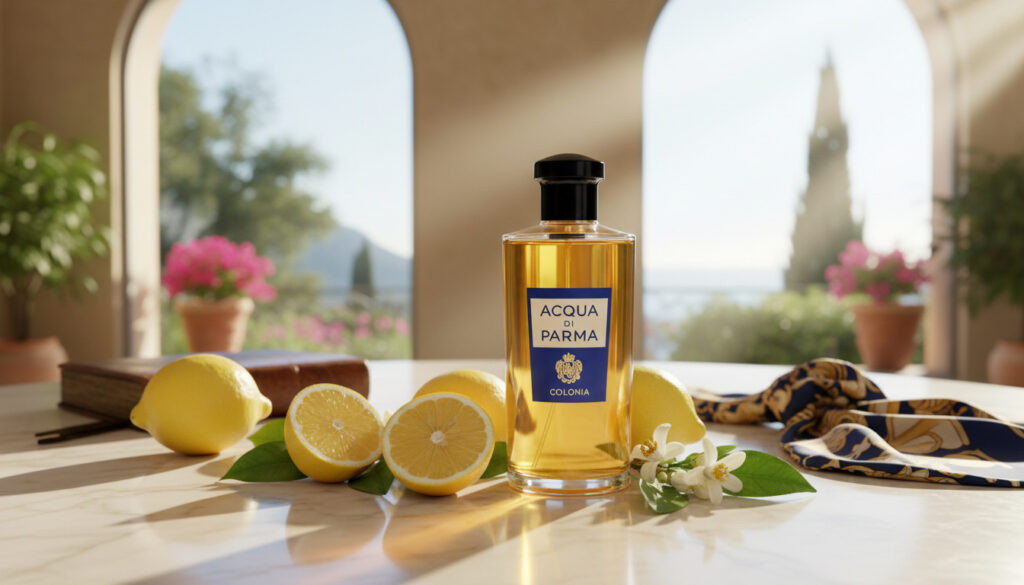
Acqua di Parma Colonia – Timeless Italian Cologne Guide
Acqua di Parma Colonia remains the definitive expression of Italian citrus elegance more than a century after its creation. First crafted in 1916 in the city of Parma, this original eau de cologne established the template for Mediterranean freshness with its sophisticated blend of Sicilian citrus and aromatic herbs. Unlike modern powerhouse fragrances, Colonia operates on restraint—offering a refined, unisex profile that prioritizes natural quality over synthetic endurance.
The fragrance occupies a unique position in the luxury market. While contemporary releases chase viral moments and extreme longevity, Colonia persists as a benchmark of old-world craftsmanship. Its current formulation maintains the bright, dusty citrus character that attracted Hollywood royalty during the 1930s, even as flankers like Essenza and Intensa address modern performance demands.
What Is Acqua di Parma Colonia?
1916, Parma, Italy
Eau de Cologne (EDC)
Sicilian Lemon, Bergamot, Lavender, Sandalwood
Bright Citrus-Aromatic Unisex
- Classic Formula: The original eau de cologne maintains a 2-4% perfume oil concentration, significantly lighter than modern EDT or EDP formulations.
- Hollywood Heritage: Adopted by 1930s film stars including Cary Grant and Ava Gardner, establishing its association with old-money sophistication.
- Best-in-Class Citrus: Natural Sicilian lemon accord widely regarded as superior to synthetic alternatives in contemporary fragrances.
- Art Deco Integrity: The distinctive yellow bottle remains virtually unchanged since the 1910s, representing early Italian modernist design.
- Gender Fluidity: Marketed historically toward men but worn successfully across all gender presentations due to its clean, aromatic structure.
- Flanker Expansion: Modern variants include Essenza (8+ hours), Intensa (8-12 hours), and Il Profumo (EDP concentration).
- Seasonal Specialist: Optimized for spring and summer wear, though the spicy base allows evening transitions.
| Aspect | Details |
|---|---|
| Top Notes | Sicilian lemon, bergamot, orange, rosemary |
| Heart Notes | Lavender, verbena, rose, neroli |
| Base Notes | Patchouli, sandalwood, musk, amber |
| Concentration | Eau de Cologne (EDC) |
| Longevity | 2-7 hours (average 4-6) |
| Sillage | Moderate to intimate |
| Price (100ml) | $100-$150 USD |
| Olfactory Family | Citrus Aromatic |
| Launch Date | 1916 |
| Perfumer | House tradition (attrib. to original Parma workshop) |
How Long Does Acqua di Parma Colonia Last and Is It Unisex?
Longevity and Sillage
Performance varies significantly by skin chemistry. The original Colonia delivers between two and seven hours of longevity, typically settling into a skin scent after four to six hours. Reviewers confirm this moderate duration reflects its authentic EDC classification—containing 2-4% perfume oils compared to the 5-15% found in modern eau de toilette or parfum concentrations. While it won’t project across a ballroom, the fragrance excels in intimate settings where natural quality matters more than synthetic power.
For those requiring extended wear, the Colonia line offers alternatives. Essenza provides eight or more hours of longevity with moderate projection, maintaining the Colonia DNA while adding aquatic-aromatic depth. Intensa pushes further to eight-to-twelve hours with woody-fig characteristics.
Unisex Appeal
Despite marketing that often targets male consumers, Colonia sits comfortably in unisex territory. The fragrance opens with bright, shared citrus before transitioning to a heart of lavender and rose that avoids hard gender categorization. Contemporary assessments consistently classify it as suitable for any gender, provided the wearer appreciates classic rather than trendy presentation.
Seasonal Wear Tips
Colonia functions as a warm-weather specialist. The Sicilian citrus elements bloom in spring and summer heat, projecting naturally when temperatures rise. Expert recommendations suggest it excels during Mediterranean-style days—bright sun, coastal breezes, and outdoor dining. For winter months, layering with Colonia Club (green spearmint) or Intensa provides additional heft.
Apply to pulse points and clothing fibers rather than skin alone to extend longevity by two to three hours. The original formulation performs best on fabric.
What Is the History of Acqua di Parma Colonia?
Brand Origins in 1916
The fragrance emerged from a small factory in Parma during the height of Italian Art Deco innovation. Created for the aristocracy of Northern Italy, it offered an alternative to the heavy Germanic colognes and Russian leather scents dominating the era. The composition emphasized Mediterranean ingredients—Sicilian citrus fruits, Ligurian herbs—distilled through traditional methods that preserved their volatile freshness.
Iconic Art Deco Bottle
The distinctive yellow bottle—designed in the 1910s—remains virtually unchanged. Its clean lines and sunny color palette reflected the optimistic modernism of post-Risorgimento Italy. Unlike competitors who frequently redesign packaging, Acqua di Parma retained this visual identity through ownership changes, including the 2001 acquisition by LVMH that expanded global distribution while promising to preserve artisanal production methods.
Celebrity and Historical Fans
By the 1930s, Colonia had migrated from Italian nobility to Hollywood elite. Historical records indicate Cary Grant and Ava Gardner among its devotees, drawn to its sophisticated understatement during an era of bold glamour. This association with “old money” aesthetics persists today, with the fragrance maintaining favor among style icons who prioritize timelessness over trends.
Modern production continues to use traditional distillation methods for citrus oils in the original Parma workshop, though exact extraction techniques remain proprietary.
Where to Buy Acqua di Parma Colonia and What Does It Cost?
Authorized Retailers
Authentic bottles require careful sourcing. Authorized retailers include the brand’s official website, established luxury department stores, and verified niche perfumeries. When purchasing, verify batch codes etched into the bottle base and inspect the Art Deco label for precise font alignment.
Price Tiers by Size
The original EDC typically retails between $100 and $150 for 100ml, positioning it in the accessible luxury tier. Value assessments suggest better price-to-performance ratios than comparable Creed citrus offerings, despite the shorter longevity.
Value Comparison
When evaluating cost against performance, context matters. Colonia delivers superior ingredient quality at a price point below niche competitors. However, users seeking all-day projection may find better value in the Intensa or Essenza variants, or exploring Private Plates for Sale when considering luxury goods investments.
How Has Acqua di Parma Colonia Evolved Over Time?
- Creation in Parma as a Mediterranean-inspired alternative to heavy continental fragrances.
- Adoption by Hollywood stars including Cary Grant and Ava Gardner, establishing international prestige.
- Gradual decline in visibility during the rise of French haute parfumerie.
- Acquisition by LVMH, initiating global expansion and boutique openings.
- Launch of flankers including Essenza, Intensa, and Club to address performance demands.
- Introduction of limited editions like Il Profumo Millesimato with ylang-ylang additions.
- Continued status as benchmark EDC despite market trends toward extreme longevity.
What Do We Know for Certain About Acqua di Parma Colonia?
- Continuous production since 1916 with consistent citrus-aromatic DNA
- EDC concentration containing 2-4% perfume oil
- Base notes of patchouli, sandalwood, musk, and amber
- Historical adoption by 1930s Hollywood elite
- Unisex classification with documented wear across genders
- Exact longevity varies by individual skin chemistry (2-7 hours reported)
- Specific batch variations between production years unverified
- Percentage of natural versus synthetic ingredients undisclosed
- Authenticity verification requires physical inspection
- Vintage versus modern formula differences debated among collectors
Why Does Acqua di Parma Colonia Retain Cultural Significance?
The fragrance represents a philosophy increasingly rare in modern perfumery—luxury through subtlety rather than saturation. In an era where “beast mode” projections dominate fragrance discussions, Colonia offers permission to smell excellent without announcing presence to entire rooms. Its persistence through ownership changes, wars, and shifting fashion trends demonstrates the durability of restraint.
Like the La Roche-Posay Sunscreen in skincare, it prioritizes function and quality over marketing spectacle, earning loyalty through consistency rather than novelty. The fragrance serves as a baseline against which other citrus compositions are judged, occupying a position similar to the white shirt in fashion—never dominant, always necessary.
What Do Critics and Experts Say?
“A classic for a reason. The natural lemon note stands as best-in-class among citrus fragrances, though the four-to-six hour longevity requires reapplication for all-day wear.”
— Basenotes Community Review, 2025
“Refined, masculine-leaning but thoroughly unisex. The dusty citrus accord evokes old Hollywood glamour without feeling costume-like.”
— Scent Grail Analysis
“Better value than Creed equivalents, though users must accept the limitations of authentic EDC concentration.”
— Badger & Blade Forum Consensus
Final Assessment: Is Acqua di Parma Colonia Worth Buying in 2025?
For those seeking a signature scent that whispers rather than shouts, Acqua di Parma Colonia remains unmatched. Its century-old formula delivers a specific experience—bright Mediterranean morning, starched linen, effortless sophistication—that modern synthetic alternatives cannot replicate. The price reflects genuine ingredient quality and heritage rather than hype. While flankers address longevity complaints, the original offers something increasingly valuable in contemporary perfumery: the confidence to smell beautiful without demanding attention.
Frequently Asked Questions
Acqua di Parma Colonia vs Essenza—which differs more?
Essenza offers 8+ hours longevity versus the original’s 4-6, with added aquatic-aromatic depth and subtle leather notes while maintaining the core Colonia DNA.
Is this suitable for formal office environments?
Yes. The moderate sillage prevents overwhelming colleagues while providing a clean, professional aura ideal for close-quarter workplaces.
Does the current formula differ from vintage versions?
The brand claims consistency since 1916, though modern IFRA regulations have necessitated subtle adjustments to allergen-heavy materials like certain citrus oils.
Why does longevity vary so much between users?
Skin chemistry, temperature, and application method significantly affect EDC performance. Dry skin and cold weather reduce longevity substantially.
Can women wear this effectively?
Absolutely. While marketed toward men historically, the lavender-rose heart and citrus opening suit any gender, particularly those preferring classic over sweet fragrances.
How to distinguish authentic bottles from counterfeits?
Verify batch codes on the bottle base, check for precise Art Deco label alignment, and purchase only from authorized retailers or the brand directly.
Is it worth the price compared to cheaper citrus options?
The natural ingredient quality and refined balance justify the premium over synthetic alternatives, though budget-conscious buyers might prefer the longer-lasting Intensa flanker.
More related posts
 Galaxy Buds 3 Pro: Worth It? Specs, Waterproof, Recall, Price
 Disability Car Dealer Near Me – Find Adapted Vehicles in Ireland
 Mobile Auto Electrician Near Me – On-Site Electrical Repairs
 Emmanuelle Béart: French Actress, César Winner & M:I Star
 Ercan Ramadan: Biography, Career, and Marriage to Vicky Pattison
 2025 Asia Cup Standings: Points Table & Qualified Teams
 Sunday Kalogeras: Age, Birthday, Sisters & Facts
 Jennie Kim: Biography, Net Worth, Relationships, and Facts