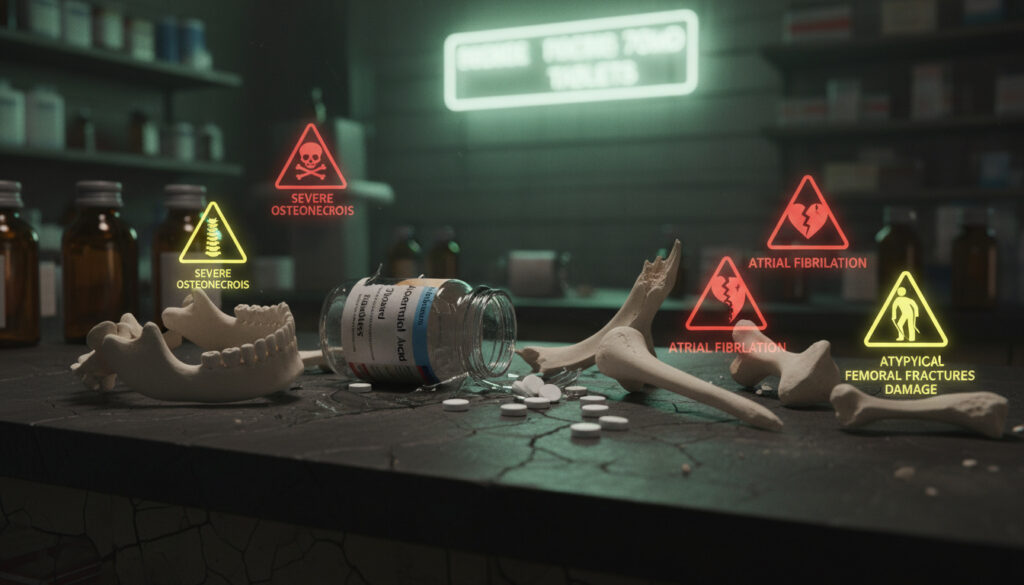
Alendronic Acid Has Destroyed My Life – Real Risks and Facts
Alendronic acid, marketed as Fosamax and available in generic formulations, stands as a first-line bisphosphonate therapy for osteoporosis and bone density loss. While millions of patients use weekly or daily tablets to reduce fracture risk, a vocal subset reports catastrophic outcomes encapsulated in phrases like “alendronic acid has destroyed my life.” These accounts reference rare but documented complications including jawbone necrosis, atypical femoral fractures, and incapacitating musculoskeletal pain that persists long after discontinuation.
The medication functions by inhibiting osteoclasts, the cells responsible for bone resorption. This mechanism effectively increases bone mineral density, yet it fundamentally alters bone remodeling processes. In rare instances, this suppression can compromise bone integrity, trigger tissue death in the jaw, or cause severe irritation to the esophageal lining. Regulatory agencies acknowledge these risks while maintaining that the drug reduces vertebral and hip fractures in vulnerable populations.
Understanding the precise spectrum of adverse reactions—from transient gastrointestinal discomfort to potentially irreversible tissue damage—remains essential for informed medical decision-making. The following analysis examines verified risks, regulatory timelines, and the boundaries between established clinical data and patient-reported outcomes.
What Are the Most Severe Side Effects of Alendronic Acid?
- Drug Overview: Bisphosphonate prescribed for osteoporosis prevention and treatment, available as generic alendronate or brand-name Fosamax.
- Common Complaints: Gastrointestinal distress including abdominal pain, heartburn, acid reflux, and esophageal irritation affecting fewer than 1 in 10 users according to NHS data.
- Severe Risks: Osteonecrosis of the jaw (ONJ), atypical femur fractures, and severe hypocalcemia requiring immediate medical intervention.
- Action Steps: Immediate consultation with healthcare providers upon experiencing serious warning signs; reporting adverse events to regulatory bodies.
- Abdominal pain represents the most frequently reported adverse reaction across clinical trials.
- Osteonecrosis of the jaw occurs in approximately 1 in 10,000 or fewer patients, typically associated with long-term use and dental procedures.
- Atypical femur fractures, while rare, present with severe pain in the thigh or groin and difficulty walking.
- The FDA mandates a black box warning specifically for esophageal reactions including ulcers and erosions.
- Common side effects typically resolve within days to weeks, whereas serious complications may persist or worsen over time.
- Long-term bisphosphonate use correlates with increased risk of serious bone-related complications.
- Immediate discontinuation is required for symptoms including chest pain, difficulty swallowing, or black stools.
| Fact | Details | Source Type |
|---|---|---|
| Generic Name | Alendronate sodium | FDA Documentation |
| Primary Use | Osteoporosis prevention and treatment | Clinical Guidelines |
| FDA Black Box Warning | Esophageal reactions and severe bone pain | Regulatory Label |
| Rare Risk Incidence | Osteonecrosis of jaw (1/10,000+) | NHS/EMA Data |
| Most Common GI Effect | Abdominal pain | FDA Labeling |
| Administration Protocol | Empty stomach with 30-minute upright positioning | NHS Protocols |
| Serious Bone Risk | Atypical femur fractures | Medical Literature |
Can Alendronic Acid Cause Permanent Damage Like Jaw Necrosis?
Osteonecrosis of the jaw (ONJ) constitutes one of the most devastating potential complications of alendronate therapy. This condition involves the death of jawbone tissue, frequently requiring extensive surgical debridement and causing chronic pain, infection, and difficulty eating. According to clinical documentation, the risk increases significantly with prolonged use and often correlates with invasive dental procedures such as extractions or implants.
Atypical Fractures and Bone Integrity
Atypical fractures of the thigh bone (femur) represent another form of permanent structural damage documented in bisphosphonate users. These fractures differ from typical osteoporotic breaks, occurring in the subtrochanteric or diaphyseal regions with minimal trauma. Medical reporting indicates patients may experience warning symptoms including severe pain in the top of the leg, swelling, or difficulty walking weeks or months before the fracture occurs.
Esophageal and Gastrointestinal Injury
The medication’s caustic potential for the upper digestive tract has prompted stringent regulatory warnings. FDA labeling confirms that alendronate can irritate and damage the esophageal lining, potentially causing ulcerations that may lead to bleeding or stricture formation. Patients with pre-existing swallowing difficulties or esophageal abnormalities face elevated risks.
Discontinue medication and seek emergency medical care if experiencing chest pain, new or worsening heartburn, pain or difficulty swallowing, black or bloody stools, blurred vision, painful or red eyes, or severe pain in the thigh, hip, or groin. These symptoms may indicate life-threatening complications including esophageal perforation or impending fracture.
What Do Real Patient Stories Say About Alendronic Acid?
Documented Long-Term Disability
While individual patient forums and social media platforms contain numerous accounts of “life-destroying” side effects, verified medical literature focuses on specific clinical endpoints. Long-term studies confirm that severe musculoskeletal pain can develop as a persistent side effect, continuing throughout treatment and potentially persisting after discontinuation. This chronic pain can significantly impair mobility and quality of life, supporting the severity of patient complaints regarding functional disability.
Gaps in Public Testimonial Data
Comprehensive repositories of individual patient narratives, particularly those involving legal action or detailed recovery trajectories, remain fragmented across disparate sources. Clinical databases aggregate adverse events but rarely capture the qualitative lived experience of “ruined health” described in patient advocacy forums. This disconnect complicates efforts to quantify the prevalence of catastrophic outcomes versus manageable side effects.
The reviewed medical literature and regulatory databases do not include specific patient testimonials from Reddit forums, detailed lawsuit timelines, or comprehensive MHRA adverse event narratives. Specific case studies of permanent life destruction require dedicated searches of legal records and patient advocacy databases beyond standard clinical resources.
How Has Understanding of Alendronic Acid Risks Evolved?
- : The FDA approves alendronate (Fosamax) for osteoporosis treatment, marking the first oral bisphosphonate for this indication.
- : Reports of osteonecrosis of the jaw emerge in the medical literature, prompting initial safety investigations and dental precaution warnings.
- : Regulatory agencies add formal warnings regarding atypical femur fractures to prescribing information, acknowledging the risk of severe bone breaks with long-term use.
- : Continuous pharmacovigilance monitors patient safety reports, with periodic updates to contraindications and precautionary measures based on post-market surveillance.
What Is Proven vs. Uncertain About Alendronic Acid Risks?
| Established Medical Facts | Information Requiring Further Study |
|---|---|
| Esophageal ulcers and erosions occur with documented frequency | Exact prevalence of “life-destroying” permanent disability |
| Osteonecrosis of the jaw risk increases with duration and dental work | Genetic predispositions to severe musculoskeletal reactions |
| Atypical femur fractures occur with characteristic radiographic patterns | Long-term recovery rates after discontinuation for severe side effects |
| Hypocalcemia presents with muscle spasms and tingling | Specific risk profiles for individual demographic groups |
| Common GI effects resolve within days to weeks in most patients | Comparative safety of abrupt versus tapered discontinuation |
Understanding Alendronic Acid Risks in Context
The therapeutic calculus surrounding alendronic acid requires balancing proven fracture prevention against rare but severe complications. Untreated osteoporosis carries substantial morbidity and mortality risks, including hip fractures that result in permanent disability or death in elderly populations. For many patients, the absolute risk of vertebral fracture outweighs the 1 in 10,000+ probability of jaw necrosis. However, this statistical comfort provides little solace to those who develop atypical fractures or chronic pain syndromes.
Risk stratification depends heavily on treatment duration, baseline bone density, age, and dental health status. Current guidelines suggest periodic reassessment of the need for continued therapy, with drug holidays considered after three to five years for some patients. What Does CAT S Mean – Rugged Smartphones Explained remains unrelated to pharmaceutical risk assessment, though patient education materials increasingly emphasize the need for durable, long-term health monitoring strategies.
What Do Medical Regulators Say About Alendronate Safety?
“The types and frequencies of adverse experiences observed in this trial were similar to those previously reported. These side effects usually have been mild and generally have not caused patients to stop taking FOSAMAX.”
FDA Labeling Documentation, AccessData FDA
“Fewer than 1 in 10 people may experience esophageal problems or heartburn while taking alendronic acid.”
Royal Osteoporosis Society, Patient Treatment Guidelines
Does Alendronic Acid Safety Data Support Continued Use?
Alendronic acid remains a potent intervention for osteoporosis, demonstrably reducing hip and vertebral fracture rates in compliant populations. Yet the drug carries non-trivial risks of permanent injury, including jaw necrosis and atypical fractures that fundamentally alter patients’ lives. Informed consent requires explicit discussion of these rare but devastating possibilities, particularly for patients with dental treatment needs or histories of esophageal disorders. How Old is Jude Bellingham – Age, Height, Career Facts appears in medical contexts only when discussing demographic factors unrelated to bone health, underscoring the importance of age-appropriate treatment screening.
Frequently Asked Questions
Can alendronic acid cause permanent bone damage?
Yes. While rare, osteonecrosis of the jaw involves permanent bone tissue death, and atypical femur fractures can cause lasting structural weakness requiring surgical intervention.
How common is jaw necrosis with alendronate?
Osteonecrosis of the jaw occurs in approximately 1 in 10,000 or fewer patients, typically associated with long-term use and invasive dental procedures.
What should I do if I experience severe side effects?
Stop taking the medication immediately and contact your doctor. Seek emergency care for chest pain, difficulty swallowing, black stools, or severe thigh pain.
Is it safe to stop taking alendronic acid suddenly?
Discontinuation should always be discussed with a healthcare provider. Some side effects require immediate stopping, while long-term bone protection may necessitate alternative treatments.
Are there safer alternatives to alendronic acid?
Alternatives include denosumab, raloxifene, and teriparatide, each carrying distinct risk profiles. No osteoporosis treatment is entirely risk-free.
How long do side effects last after stopping?
Common gastrointestinal effects typically resolve within days to weeks. Severe musculoskeletal pain may persist for months, while jaw necrosis requires ongoing management.
Can I undergo dental work while taking alendronate?
Patients should inform dentists of bisphosphonate use. Non-emergency invasive procedures may require drug holidays or alternative treatments to minimize ONJ risk.
More related posts
 USB-C to USB Adapter: Guide, Compatibility & Top Picks
 Houses for Sale Mansfield – Current Listings Prices and Trends
 Cray Valley Paper Mills FC: History, Stadium & Manager
 NHS Blood Pressure Chart by Age and Gender – Normal Ranges 2025
 Bar Bar Stool Ireland – Buying Guide & Best Deals 2025
 Is This Link Safe – Best Free Checkers Ranked
 Enterprise Rent-A-Car Ireland: Deposit, Costs & Cheapest Days
 Cast of Wolf Man (2025 Film): Abbott, Garner, Jaeger