Far from the Madding Crowd – Book, 2015 Film and Phrase Meaning
Far from the Madding Crowd: Thomas Hardy Book, 2015 Movie with Carey Mulligan, Meaning and Where to Watch
What is Far from the Madding Crowd book?
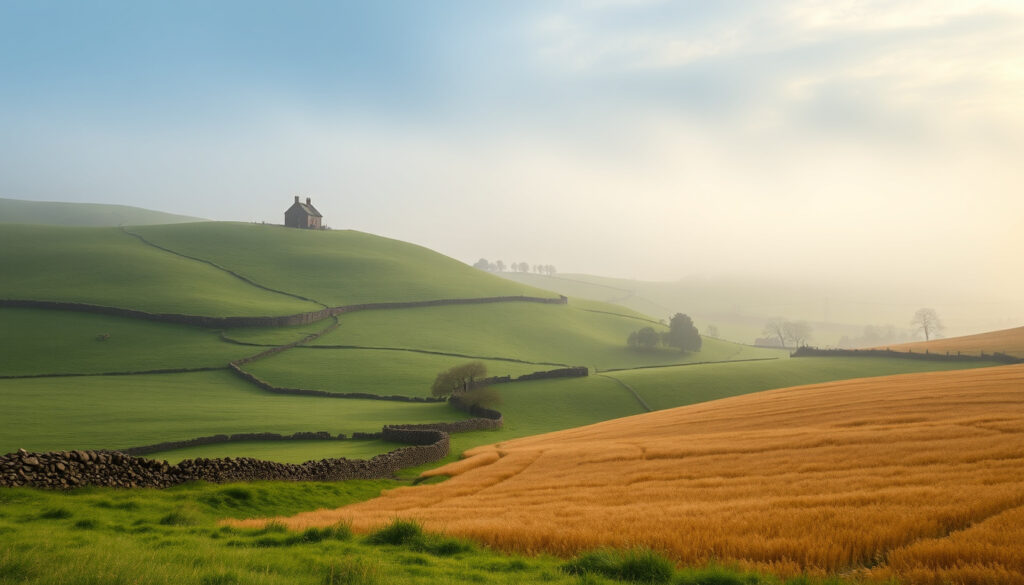
Thomas Hardy’s Far from the Madding Crowd stands as one of the most significant novels in Victorian literature. First published in 1874, it was Hardy’s fourth novel and the first to bring him commercial success. The story unfolds in the fictional county of Wessex, a pastoral landscape that would become synonymous with Hardy’s literary vision.
The narrative centers on Bathsheba Everdene, a young woman who inherits her uncle’s farm and navigates life as an independent landowner in rural England. Hardy crafted a tale that explores love, passion, social expectations, and economic survival through Bathsheba’s relationships with three very different men.
The novel appeared initially as a serial in the Graphic magazine before its book publication, a common practice for Victorian authors seeking both readership and income. Its publication established Hardy as a major voice in English literature.
Key Facts About the Novel
- Thomas Hardy’s first major commercial success as a novelist
- Set in the fictional Wessex region based on rural Dorset
- Explores themes of love, pride, passion, and social responsibility
- Has been adapted for film, television, and stage multiple times
- Considered a cornerstone of Victorian realism
- Features strong characterization of a Victorian woman navigating independence
| Aspect | Book | 2015 Film |
|---|---|---|
| Author/Director | Thomas Hardy | Thomas Vinterberg |
| Publication/Release | 1874 | 2015 |
| Protagonist | Bathsheba Everdene | Carey Mulligan |
| Primary Setting | Rural Wessex, Dorset | Dorset countryside |
| Central Theme | Love and independence | Love and perseverance |
What is the Far from the Madding Crowd movie?
The 2015 film adaptation brings Thomas Hardy’s Victorian story to contemporary audiences with remarkable fidelity to the source material. Directed by Thomas Vinterberg, the Danish filmmaker best known for The Celebration and Hunt, the production marked his first venture into English-language period drama.
The film received widespread critical acclaim upon its release in UK cinemas in May 2015. According to Rotten Tomatoes, it holds an 85% Tomatometer score based on 192 reviews, reflecting strong approval from film critics. The audience score sits at 75% based on over 10,000 user ratings, indicating generally positive reception from viewers.
The Cast and Their Characters
Carey Mulligan leads the ensemble as Bathsheba Everdene, portraying the headstrong heroine with what critics described as “fetching willfulness.” The supporting cast brings depth to Hardy’s complex characters:
- Matthias Schoenaerts as Gabriel Oak, a steadfast and honorable sheep farmer
- Michael Sheen as William Boldwood, a prosperous and patient middle-aged bachelor
- Tom Sturridge as Frank Troy, a handsome and reckless sergeant
- Juno Temple as Fanny Robin, a servant with her own romantic troubles
The adaptation runs for 1 hour 58 minutes and carries a PG-13 rating. It was released theatrically in the United Kingdom in May 2015, with subsequent availability on DVD and Blu-Ray.
Plot Overview
The narrative follows Bathsheba Everdene as she inherits her uncle’s farm and attracts three distinctly different suitors. Gabriel Oak, a humble shepherd, offers genuine devotion and practical stability. William Boldwood, a wealthy bachelor, proposes with formal respectability and patience. Frank Troy, a dashing sergeant, brings passion and danger into Bathsheba’s life.
The story examines the nature of relationships and human ability to overcome hardship through resilience and perseverance. As Bathsheba’s decisions bring both triumph and tragedy, Hardy explores how love can elevate and devastate simultaneously.
Who is Carey Mulligan in Far from the Madding Crowd?
Carey Mulligan’s portrayal of Bathsheba Everdene represents a significant milestone in her career. The British actress, known for roles in An Education and The Great Gatsby, brought nuanced complexity to Hardy’s headstrong heroine.
Critics praised Mulligan’s ability to capture Bathsheba’s contradictions: her independence and vulnerability, her pride and remorse. The performance earned her a BAFTA nomination, recognizing her capacity to embody a Victorian woman asserting agency in a male-dominated society.
Mulligan worked extensively with dialect coaches to perfect the Dorset accent and spent time on actual farms to understand the physical demands of 19th-century rural life. Her commitment to authenticity helped ground the period drama in tactile reality.
Mulligan’s Career Context
By 2015, Mulligan had established herself as a versatile performer capable of handling both contemporary and period material. Her casting in Far from the Madding Crowd positioned her as a leading actress in literary adaptations, following in the footsteps of performers who had defined similar roles in previous decades.
The role required balancing Bathsheba’s fierce independence with her emotional vulnerabilities. Mulligan achieved this by emphasizing the character’s intelligence and self-awareness, making her decisions comprehensible even when problematic.
What does Far from the Madding Crowd mean?
The phrase “Far from the madding crowd” refers to a state of peaceful seclusion away from chaotic and tumultuous surroundings. Thomas Hardy borrowed the expression directly from Thomas Gray’s 1751 poem “Elegy Written in a Country Churchyard.”
Gray’s poem contains the lines: “Far from the madding worldling’s hoarse disputes, / Here I am free.” The phrase captures an idealized vision of rural tranquility, suggesting that distance from urban society and its conflicts brings peace and clarity.
The Phrase in Context
Hardy’s use of the phrase carries ironic undertones. Despite the pastoral setting and agricultural rhythms of his novel, the characters experience intense emotional turmoil. The “madding crowd” remains metaphorical rather than literal—the chaos stems from human passion rather than societal masses.
Thomas Gray’s “Elegy Written in a Country Churchyard” (1751) is considered one of the most celebrated poems in English literature. Hardy drew inspiration from Gray’s contemplative meditation on mortality and rural solitude when selecting his novel’s title.
The phrase has entered common usage, often invoked to describe escapes from modern urban life. However, Hardy’s novel complicates this idealization by demonstrating that emotional chaos cannot be escaped through mere geographic relocation.
Where to Watch Far from the Madding Crowd
The 2015 film adaptation has been available through various platforms following its theatrical run. Viewers can check major streaming services for current availability, as catalog offerings change regularly. The film was released on DVD and Blu-Ray, making physical copies available through retailers and libraries.
For those interested in the source material, Hardy’s novel remains widely available through booksellers, libraries, and digital platforms. Multiple editions exist, from scholarly volumes with annotations to affordable paperback versions.
Platform Availability
Streaming availability varies by region and service agreements. Major platforms periodically include the film in their catalogs, particularly services focusing on British content or period dramas. Renting or purchasing digitally provides the most reliable access regardless of subscription status.
The film may also appear on cable channels specializing in theatrical releases and classic films. Checking current schedules and streaming interfaces provides the most accurate information for those seeking to watch.
Far from the Madding Crowd: Timeline of Adaptations
Hardy’s novel has inspired multiple screen interpretations over more than a century of cinema history. Each adaptation reflects contemporary attitudes toward the source material and prevailing filmmaking conventions.
- 1874: Thomas Hardy’s novel first published, appearing initially as serial fiction in The Graphic magazine
- 1915: Silent film adaptation produced during the early Hollywood era
- 1967: John Schlesinger directs a celebrated theatrical version that set a benchmark for subsequent adaptations
- 2015: Thomas Vinterberg helms the most recent major film adaptation, starring Carey Mulligan
The 1967 adaptation, starring Julie Christie as Bathsheba, remains influential and is often compared against newer versions. Film scholars note how each era’s Bathsheba reflects contemporary discussions about women’s autonomy and social agency.
What We Know and What Remains Unclear
| Established Information | Information Requiring Verification |
|---|---|
| Thomas Hardy published the novel in 1874 | Specific production budget details |
| The 2015 film stars Carey Mulligan as Bathsheba | Complete international box office figures |
| Thomas Vinterberg directed the 2015 adaptation | Current streaming availability on specific platforms |
| The phrase originates from Thomas Gray’s 1751 poem | Detailed critical comparisons between adaptations |
| The film received positive critical reviews (85% on Rotten Tomatoes) | Comprehensive author biographical information |
| Multiple adaptations exist spanning over a century | Complete awards information across all ceremonies |
Literary and Historical Context
Thomas Hardy wrote Far from the Madding Crowd during a period of significant social change in England. The novel engages with agricultural economics, class relations, and evolving gender expectations, offering a nuanced portrait of rural Victorian society.
The Wessex setting, though fictionalized, drew directly from Hardy’s native Dorset. His intimate knowledge of agricultural communities informed detailed descriptions of farming practices, seasonal rhythms, and the economic pressures facing landowners and laborers alike.
Hardy’s Literary Legacy
The novel’s success enabled Hardy to pursue writing full-time, eventually producing works that grew increasingly dark and philosophical. Far from the Madding Crowd occupies a transitional position—romantic in tone while foreshadowing the tragic worldview of later novels like Tess of the d’Urbervilles and Jude the Obscure.
Scholarship on the novel has examined its treatment of women, its critique of patriarchal social structures, and its engagement with emerging Darwinian thought. These interpretive frameworks continue to inform academic discussions and critical editions.
Notable Quotes and Sources
“The story explores the nature of relationships and love—as well as the human ability to overcome hardships through resilience and perseverance.”
— Film promotional materials
“Bathsheba Everdene attracts three very different suitors: Gabriel Oak, a sheep farmer, captivated by her fetching willfulness; Frank Troy, a handsome and reckless Sergeant; and William Boldwood, a prosperous and mature bachelor.”
— Film synopsis sources
For readers seeking deeper engagement with the text, Wikipedia’s comprehensive article on the novel provides extensive background on publication history, critical reception, and thematic analysis. The Wikipedia article on the 2015 film covers production details, critical response, and awards recognition.
Summary
Far from the Madding Crowd endures as a landmark of Victorian literature and remains compelling for contemporary audiences. Hardy’s story of Bathsheba Everdene—a woman navigating love and independence against the backdrop of rural English society—resonates across generations. The successful 2015 adaptation starring Carey Mulligan demonstrates the novel’s continued relevance, bringing new attention to this enduring tale of passion, resilience, and the pursuit of self-determination. Those interested in exploring similar content may also enjoy learning about the Cast of Slow Horses or To Catch a Killer.
Frequently Asked Questions
What is Far from the Madding Crowd rated?
The 2015 film adaptation carries a PG-13 rating from the MPAA, indicating parental guidance suggested for children under 13 due to thematic content.
How long is the Far from the Madding Crowd movie?
The 2015 adaptation runs for approximately 1 hour and 58 minutes, making it a manageable length for viewers seeking accessible period drama.
Is Far from the Madding Crowd based on a true story?
No, the novel is a work of fiction by Thomas Hardy. However, it draws inspiration from the author’s observations of rural life in Dorset and reflects historical social conditions of Victorian England.
What is the meaning behind the title?
The phrase comes from Thomas Gray’s 1751 poem “Elegy Written in a Country Churchyard.” It suggests peaceful distance from chaos, though Hardy uses it with ironic undertones as his characters experience significant emotional turmoil.
How many times has Far from the Madding Crowd been adapted?
Major film adaptations include versions from 1915, 1967, and 2015. Television adaptations have also been produced, making it one of Hardy’s most frequently adapted works.
Where was the 2015 Far from the Madding Crowd filmed?
The production filmed primarily in Dorset, England, using actual farm locations to provide authentic period atmosphere consistent with Hardy’s original Wessex setting.
More related posts
 Glow Recipe Dew Drops – Review, Benefits and UK Guide
 Olivia Attwood: Biography, Age, Relationship, Net Worth & Health
 Kristin Chenoweth: Adoption, Accident, and Broadway Career
 Tomorrow, and Tomorrow, and Tomorrow – Macbeth Soliloquy Explained
 To Catch a Killer – Plot Cast Netflix True Story
 Scott McTominay: Biography, Salary, Girlfriend & Scottish Identity
 Best iPhone 16 Pro Max Phone Cases in Ireland 2024
 David Byrne Biography: Diagnosis, Wife, Net Worth & More