Theodore Roosevelt: The Bullet That Couldn’t Stop Him
Few moments in American political history match the raw drama of a candidate taking a bullet—and then insisting on finishing his speech. On October 14, 1912, a .38‑caliber bullet struck Theodore Roosevelt in the chest, yet he delivered a 50‑minute address before finally seeking medical attention (HISTORY (established history publication)). This article traces how that near‑fatal moment became the defining symbol of Roosevelt’s relentless spirit, and why his story still resonates as a lesson in perseverance.
Age at presidency: 42 ·
Years in office: 1901 – 1909 ·
Assassination attempt: 1 ·
Number of children: 6 ·
Date of death: January 6, 1919
Quick snapshot
- Shot in Milwaukee on 1912‑10‑14 while campaigning (Wikipedia (community‑sourced reference))
- Delivered a speech after being shot, lasting about 80 minutes (Shapell Manuscript Foundation (historical archive))
- Whether Roosevelt’s childhood asthma qualifies as a disability by modern definitions (Shapell (historical research organization))
- Exact details of his relationship with Franklin Roosevelt’s wife Eleanor are often conflated (The White House (official U.S. government source))
- 1912 campaign stop at Milwaukee Auditorium was the immediate destination when shot (Wisconsin Public Radio (regional public media))
- Bullet remained lodged in Roosevelt’s chest for the rest of his life (Shapell (historical research organization))
- Roosevelt’s survival cemented his image as a fearless leader and shaped his final years (Smithsonian Magazine (established cultural publication))
- His legacy continues to influence political resilience narratives today (Smithsonian Magazine (established cultural publication))
The implication of these cards: a life that turned a bullet into a stage for courage.
| Fact | Detail |
|---|---|
| Full name | Theodore Roosevelt Jr. |
| Born | October 27, 1858, New York City |
| Died | January 6, 1919, Oyster Bay, New York |
| Presidency | 1901 – 1909 |
| Political party | Republican / Progressive (Bull Moose) |
| Known for | Trust‑busting, conservation, Panama Canal |
What is Theodore Roosevelt best known for?
Presidency and trust‑busting
- Served as 26th president from 1901 to 1909 (The White House (official U.S. government source))
- Enforced the Sherman Antitrust Act, breaking up monopolies such as Northern Securities (Wikipedia (community‑sourced reference))
- Introduced the Square Deal domestic program focused on consumer protection, corporate regulation, and conservation (Britannica (established reference work))
The implication: Roosevelt turned the presidency into a bully pulpit for challenging corporate power, setting a precedent that lasted through the Progressive Era.
Conservation and national parks
- Created the U.S. Forest Service and designated five national parks (National Park Service (U.S. federal agency))
- Protected over 230 million acres of public land through executive orders (HISTORY (established history publication))
Roosevelt’s land‑conservation record remains the most extensive of any president, directly shaping America’s national park system today.
Panama Canal and foreign policy
- Oversaw the construction of the Panama Canal, a strategic waterway linking the Atlantic and Pacific (Britannica (established reference work))
- Won the Nobel Peace Prize in 1906 for mediating the Russo‑Japanese War (Nobel Prize (official prize organization))
The pattern: Roosevelt combined assertive diplomacy with military preparedness, establishing the U.S. as a global power.
Are Theodore Roosevelt and Franklin Roosevelt related?
Family tree and lineage
- Theodore was the 26th president (1901‑1909), Franklin was the 32nd (1933‑1945) (The White House (official U.S. government source))
- They were fifth cousins, both descendants of Claes Maartenszen van Rosenvelt, a 17th‑century Dutch immigrant (Franklin D. Roosevelt Presidential Library (presidential archive))
- Franklin married Theodore’s niece, Eleanor Roosevelt, in 1905 (Britannica (established reference work))
The catch: While often assumed to be close relatives, the Roosevelts were politically distinct—Theodore a progressive Republican, Franklin a New Deal Democrat.
Fifth cousins once removed
- The relationship of fifth cousins once removed means they shared a common ancestor but not a close family bond (Wikipedia (community‑sourced reference))
What this means: The family tie is more of a historical curiosity than a direct political lineage, but it underscores the Roosevelt name’s enduring imprint on American politics.
What did Teddy Roosevelt say after getting shot?
The shooting on October 14, 1912
- Shot by John Schrank, a saloonkeeper from New York, while campaigning for the Bull Moose Party in Milwaukee (HISTORY (established history publication))
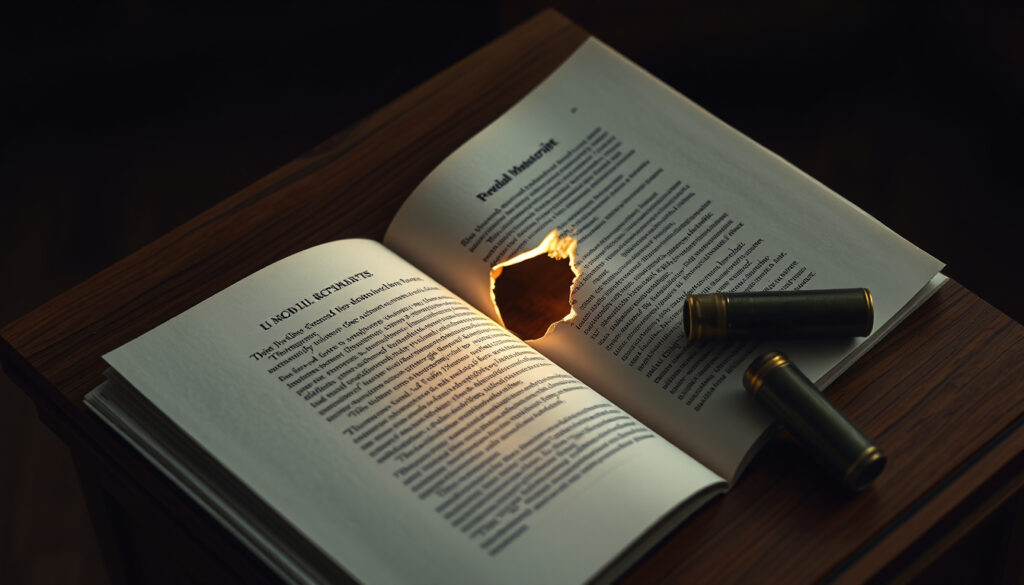
- The bullet was slowed by a metal eyeglass case and a folded manuscript in Roosevelt’s breast pocket (Smithsonian Magazine (established cultural publication))
- The firearm was a .38 caliber Colt Police Positive Special revolver fired from about five feet away (Milwaukee Police Historical Society (local law enforcement archive))
The 50‑minute speech with a bullet in his chest
- Roosevelt told the crowd: “Friends, I shall ask you to be as quiet as possible. I don’t know whether you fully understand that I have just been shot” (Shapell Manuscript Foundation (historical archive))
- He spoke for about 50 minutes before allowing aides to take him to the hospital (Wisconsin Public Radio (regional public media))
- The bullet remained in his chest for the rest of his life (Shapell (historical research organization))
A speech manuscript intended to win votes literally saved his life—yet Roosevelt used the shooting to reinforce his image as untouchable, turning a vulnerability into political theater.
What was Roosevelt’s disability?
Childhood asthma
- Suffered from severe asthma as a child, leading to a weak physical condition (Shapell (historical research organization))
- He overcame it through rigorous exercise and outdoor activities, adopting a “strenuous life” philosophy (Britannica (established reference work))
What this means: Roosevelt’s response to asthma—relentless physical conditioning—became a cornerstone of his personal brand and political appeal.
Health issues later in life
- Later suffered from a heart condition and other ailments, but never considered himself disabled (Theodore Roosevelt Association (historical society))
The implication: Roosevelt’s triumph over illness was a recurring motif in his life, mirroring the resilience he displayed after the assassination attempt.
How did Theodore Roosevelt die?
Cause of death
- Died on January 6, 1919, at his home, Sagamore Hill in Oyster Bay, New York (The White House (official U.S. government source))
- Cause of death was a coronary embolism (heart attack) (Britannica (established reference work))
- His health declined after a bout of malaria and the strain of the 1912 campaign (Shapell (historical research organization))
Final years after the assassination attempt
- He never fully recovered from the bullet wound and lived with it for six more years (Shapell (historical research organization))
- Continued writing, exploring the Amazon, and political activism until his death (HISTORY (established history publication))
The trade‑off: The same bull‑headedness that kept him speaking after being shot also pushed his body to its limits, shortening his later years.
Timeline of key events
- October 27, 1858 – Born in New York City
- 1898 – Leads the Rough Riders in the Spanish‑American War (HISTORY (established history publication))
- September 14, 1901 – Becomes president after McKinley’s assassination (The White House (official U.S. government source))
- 1904 – Elected to a full term
- October 14, 1912 – Assassination attempt while campaigning for the Bull Moose Party (HISTORY (established history publication))
- January 6, 1919 – Dies of a coronary embolism at Sagamore Hill (Britannica (established reference work))
What we know vs. what we don’t
Confirmed facts
- Roosevelt was shot in the chest on October 14, 1912 (Wikipedia (community‑sourced reference))
- He delivered a 50‑minute speech after being shot (Shapell Manuscript Foundation (historical archive))
- The bullet remained in his body for the rest of his life (Shapell (historical research organization))
- He died of a heart attack on January 6, 1919 (Britannica (established reference work))
What’s unclear
- Whether Roosevelt’s childhood asthma qualifies as a disability under modern definitions
- The exact nature of his relationship with Franklin Roosevelt’s wife Eleanor (often questioned but not relevant to Theodore’s biography)
Voices from history
“Friends, I shall ask you to be as quiet as possible. I don’t know whether you fully understand that I have just been shot.”
— Theodore Roosevelt, speaking to the crowd after being shot on October 14, 1912 (Shapell Manuscript Foundation (historical archive)) For more information on this fascinating figure, see Герт Фрёбе Золотой палец НСДАП.
John Schrank, the assailant, was later declared insane and died in custody in 1943. He reportedly said he was acting to prevent a third term, a motive rooted in his belief that Roosevelt was a threat to the Republic.
— Historical records cite Schrank’s delusion (Shapell Manuscript Foundation (historical archive))
Resilience as legacy
Theodore Roosevelt’s story is not simply one of survival—it is a masterclass in turning physical and political adversity into a defining persona. The bullet that lodged in his chest became a badge of honor, a tangible proof of his “strenuous life” philosophy. For any leader facing a crisis, the lesson is clear: the public remembers not the setback, but the response.
trlibrary.com, americanideal.org, en.wikipedia.org, theguardian.com
Frequently asked questions
What was Theodore Roosevelt’s education?
He graduated from Harvard College in 1880 and briefly attended Columbia Law School, though he left before completing his degree (Britannica (established reference work)).
Did Theodore Roosevelt win the Nobel Peace Prize?
Yes, in 1906 he became the first American to win the Nobel Peace Prize for mediating the Russo‑Japanese War (Nobel Prize (official prize organization)).
What were the Rough Riders?
The 1st U.S. Volunteer Cavalry Regiment, led by Roosevelt, that fought in the Spanish‑American War in 1898 (HISTORY (established history publication)).
What is the Square Deal?
Roosevelt’s domestic program focused on conservation of natural resources, control of corporations, and consumer protection (The White House (official U.S. government source)).
How many terms did Theodore Roosevelt serve?
He served nearly two full terms: he assumed office after McKinley’s assassination in 1901 and was elected to a full term in 1904, serving until 1909.
Was Theodore Roosevelt a progressive?
Yes, he was a leading figure of the Progressive Era, advocating for regulation of big business, labor rights, and social reform (Britannica (established reference work)).
What is the Bull Moose Party?
The Progressive Party, nicknamed the Bull Moose Party after Roosevelt’s comment that he felt “as strong as a bull moose,” was formed in 1912 for his third‑party presidential bid (HISTORY (established history publication)).
Related reading
More related posts
 Priyanka Chopra Movies and TV Shows – Complete Filmography
 Jane Austen Books: Complete Guide, Rankings & Reading Order
 Far from the Madding Crowd – Book, 2015 Film and Phrase Meaning
 AA Route Planner UK: Directions, Traffic & Maps Guide
 Justin Moorhouse: Son’s Death and Coffee Van Legacy
 Bucky Barnes: The Winter Soldier’s Story, Age, Love Life & More
 How Many Calories Should I Eat – Needs by Age, Activity and Goals
 Rangers vs Athletic Club – 2-0 Aggregate Win for Athletic Club